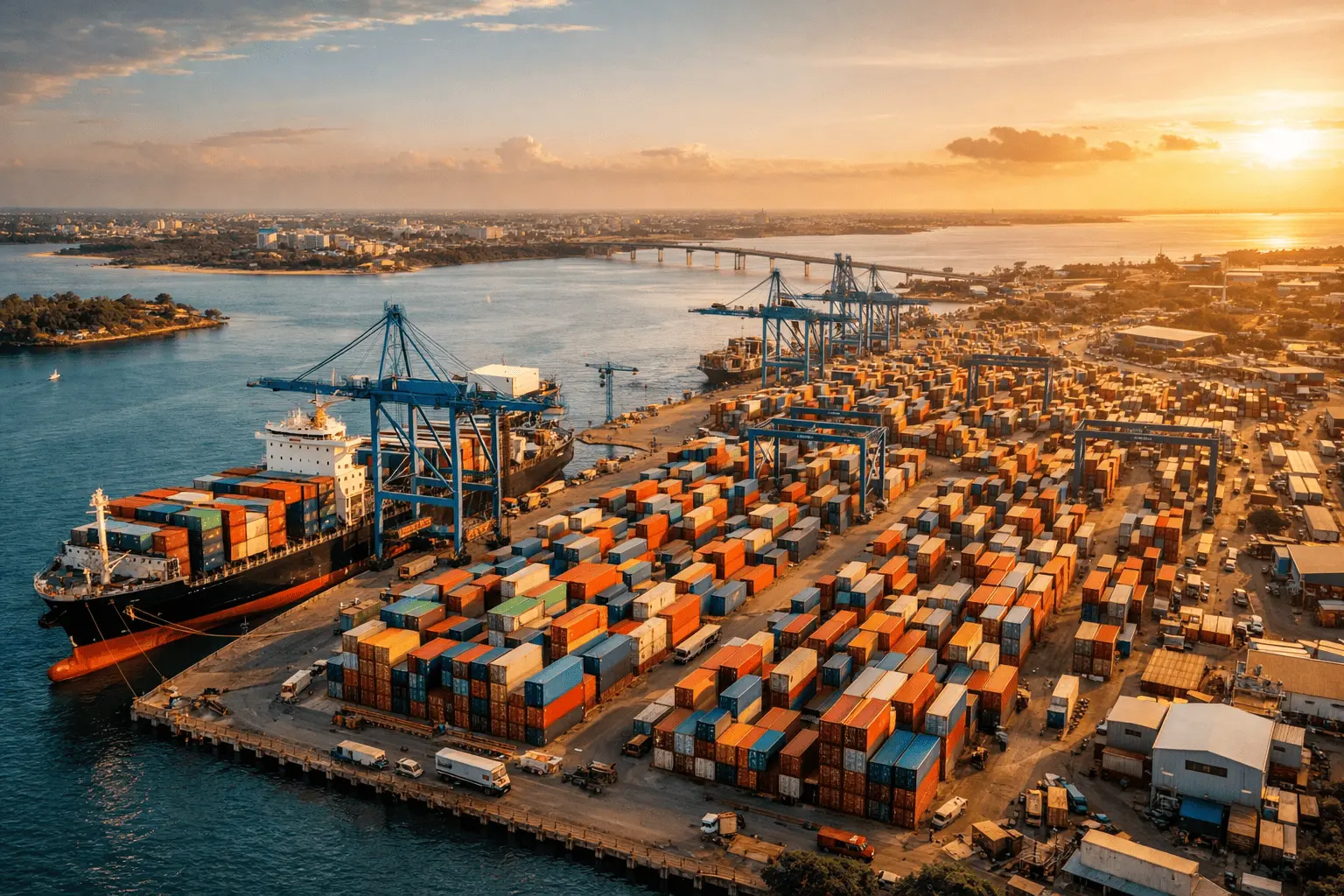

Sourcing Agent vs Freight Forwarder Kenya: Which Do You Need?

When choosing between a sourcing agent vs freight forwarder Kenya, the distinction comes down to timing and location: a sourcing agent works in China before your order is placed, finding and vetting factories on your behalf, while a freight forwarder moves your confirmed goods from China to Kenya after your order is ready. Most Kenya importers sourcing from China need both services. Pamoja Imports handles both under one all-in rate, with an operations team based in Chengdu, China.
Most first-time Kenya importers discover the sourcing agent vs freight forwarder distinction the hard way. They hire a freight forwarder, the goods arrive, and they realise they overpaid at the factory, received the wrong specifications, or got burned by a supplier with no way to verify before payment. Or they hire a sourcing agent, get a competitive factory price, and then face chaos getting their goods out of Mombasa because the freight side was never properly handled.
The two services cover two completely different stages of the import process. This guide explains exactly what each one does, what each one costs in the Kenya-China context, how to decide what your shipment actually needs, and why the answer for most Kenya importers is that they need both, ideally under one roof.
Before diving in, if you are still at the stage of deciding what to import, start with our guide to the most profitable items to import from China to Kenya. If you already know your product and want the full process overview, see our complete guide to importing from China to Kenya.
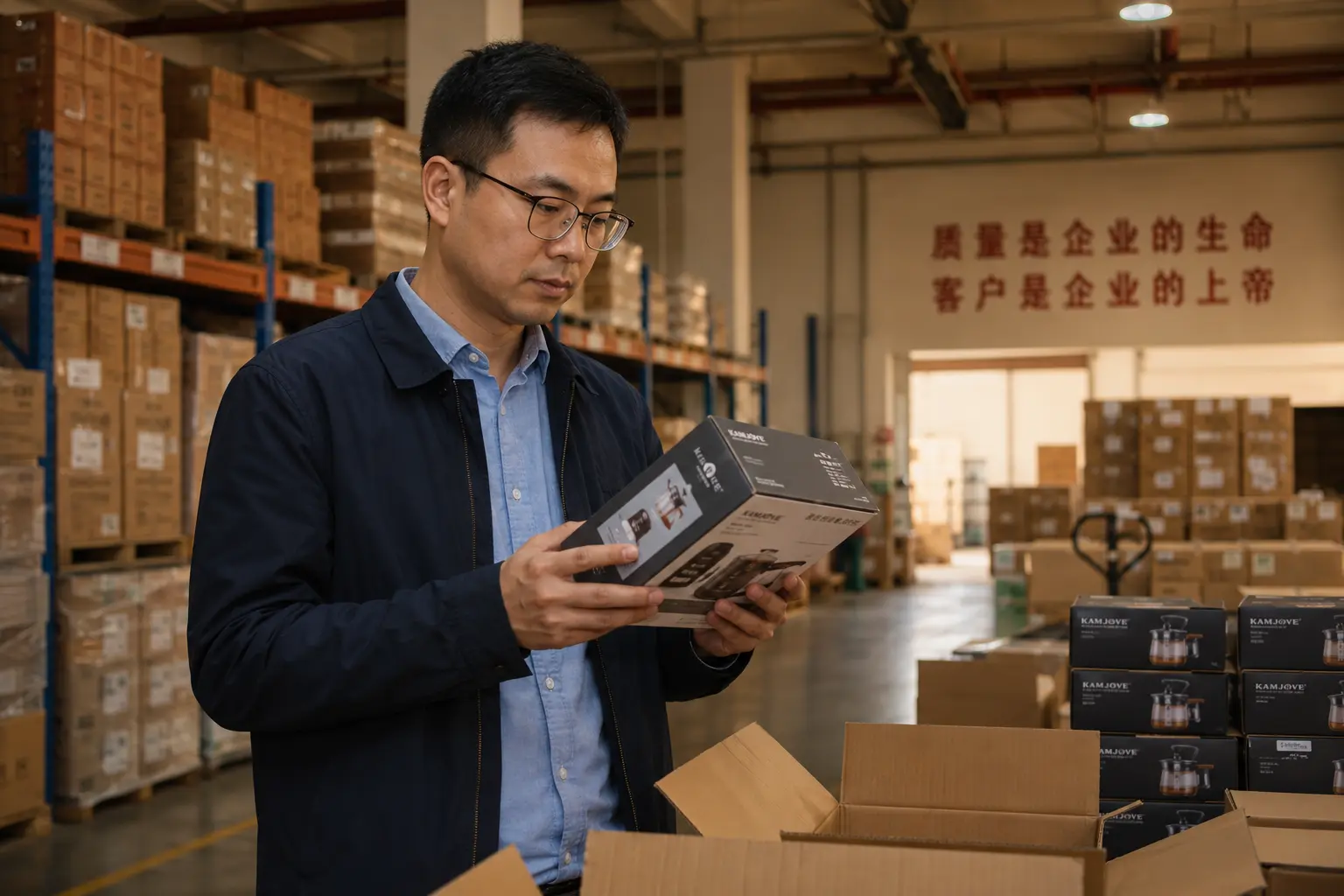
What is a sourcing agent?
A sourcing agent is a person or company physically based in China who finds, vets, and negotiates with factories on your behalf before your order is placed. Their entire job takes place on the China side of the transaction and is complete once your goods are confirmed, priced, and ready to ship. They do not move goods. They do not handle customs. They find you the right product at the right price from a supplier you can trust.
A genuine sourcing agent handles the following:
- Product sourcing: Identifies factories or suppliers producing your target product, typically on platforms like Pinduoduo or 1688, where factory prices are substantially lower than on English-language platforms like Alibaba
- Supplier verification: Checks the supplier’s business license against China’s National Enterprise Credit Information Publicity System (NECIPS), confirms the company is active and legally registered, and cross-checks names against bank account details to reduce fraud risk
- Sample coordination: Requests and evaluates product samples against your specifications before you commit to a full order
- Price negotiation: Negotiates directly in Mandarin with the factory on price, minimum order quantity, lead time, and payment terms. Mandarin-speaking negotiation consistently yields better results than English-language platform inquiries. For a full breakdown of negotiation tactics, scripts, and MOQ strategies, see our guide to negotiating with Chinese suppliers
- Pre-shipment inspection: Visits the factory or arranges third-party quality inspection before goods are packed and shipped, catching specification errors before they become your problem at Nairobi delivery
- Documentation verification: Confirms the supplier can issue a correct commercial invoice, packing list, and, where one is actually still needed, a certificate of origin in the format KRA requires for Kenyan customs clearance
- Payment management: Handles payment to the supplier on your behalf, reducing the risk of wire fraud and giving you a buffer against suppliers who disappear after receiving funds
For a detailed guide on how to find and verify Chinese suppliers yourself, including the NECIPS verification process our team uses daily, see our guide to finding reliable Chinese suppliers as a Kenya importer.
What is a freight forwarder?
A freight forwarder moves your goods from the factory or supplier in China to your door in Kenya. Their job begins once your order is confirmed and ready to leave China. They do not find suppliers. They do not negotiate factory prices. They move cargo.
A freight forwarder on the China-Kenya route handles:
- Factory pickup: Collects your goods from the factory or supplier’s warehouse in China and transports them to the port or airport
- Cargo booking: Books space on a sea vessel (LCL for less than a full container, FCL for full container loads) or an air flight to Kenya
- Export documentation in China: Prepares and submits export customs declarations on the China side, including the correct HS codes for your goods
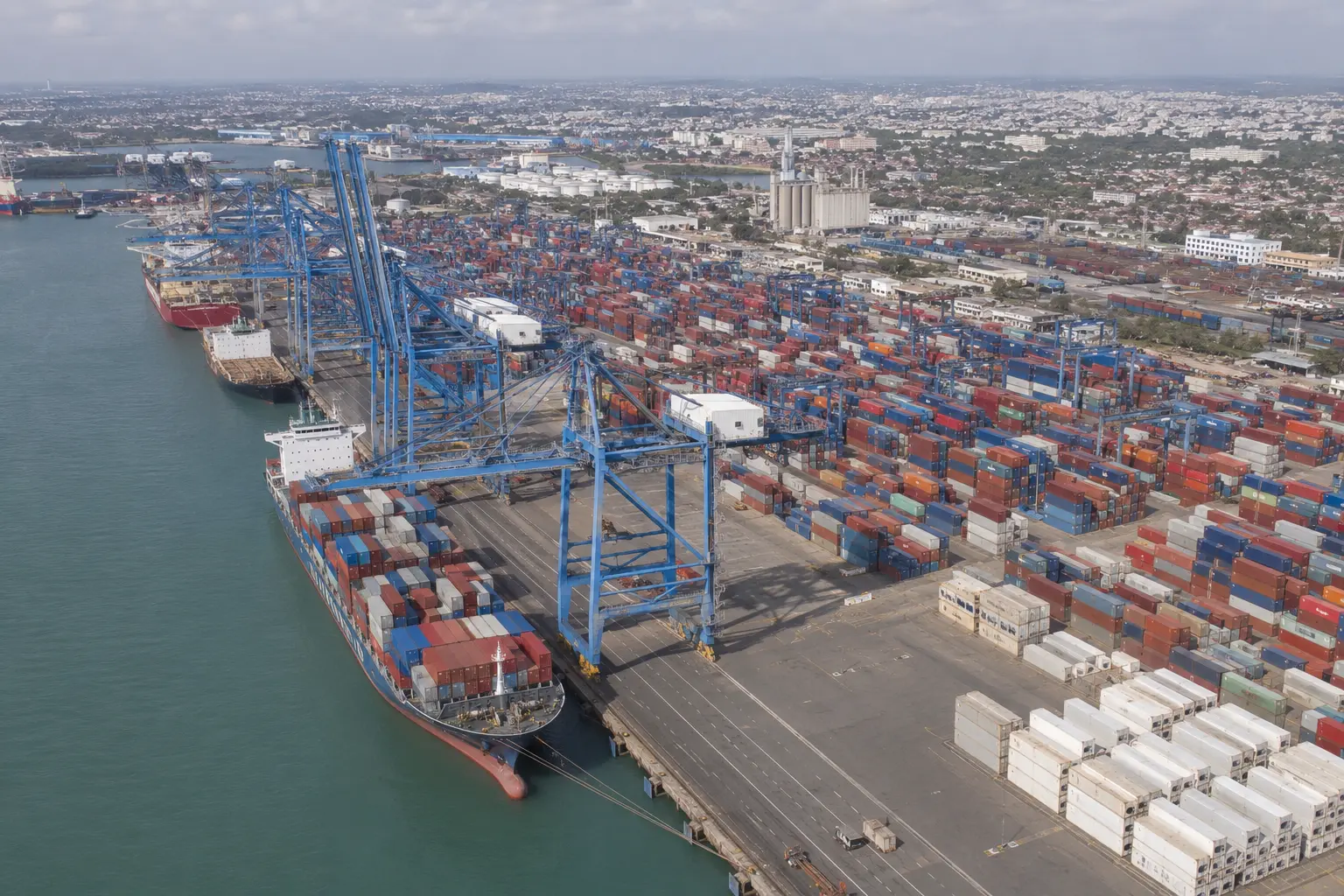
- Sea or air freight: Manages the transit from Chinese ports (typically Guangzhou, Ningbo, or Shanghai) to Mombasa, or from Chinese airports to JKIA Nairobi
- Import clearance (if included): Some freight forwarders also handle customs clearance in Kenya through a KRA-licensed clearing agent. Many do not, and this distinction matters more than most importers realise
- Inland delivery: Transportation from Mombasa Port or JKIA to your warehouse or delivery address in Nairobi
The key variable with freight forwarders is what their rate actually includes. This is where most Kenya importers get caught out, and we cover it in detail in the hidden cost trap section below.
For a full comparison of sea freight and air freight costs and timelines, including a free calculator, see our sea freight vs air freight China to Kenya guide.
The clearing agent: the third role most people miss
Most guides discuss sourcing agents and freight forwarders. Almost none explain the third role that sits between them and is legally required in Kenya: the clearing agent.
A clearing agent is a company or individual licensed by the Kenya Revenue Authority (KRA) to handle import customs documentation and duty payment at Mombasa Port or JKIA. Under Kenyan law, you cannot self-clear commercial goods at the port without a KRA-licensed clearing agent. This is a separate legal requirement from freight forwarding.
The problem arises because many importers hire a freight forwarder in China, their goods arrive at Mombasa, and they then discover they need to separately hire and pay a clearing agent in Kenya to get their goods released. This dual-agent setup adds cost, creates communication gaps between the two sides, and is one of the most common causes of demurrage charges, where your goods sit at the port accumulating daily storage fees because clearance has stalled.
Side-by-side comparison
| Factor | Sourcing Agent | Freight Forwarder | Clearing Agent |
|---|---|---|---|
| When they work | Before order is placed | After order is ready to ship | After goods arrive in Kenya |
| Where they must be | Physically in China | China or Kenya | Kenya (KRA-licensed) |
| Core function | Find, vet, negotiate with factories | Move goods China to Kenya | Clear customs at Mombasa or JKIA |
| Protects you from | Supplier fraud, overpaying, wrong specs | Logistics complexity, transit delays | Customs delays, penalties, incorrect duty |
| Legal requirement? | No | No | Yes, KRA mandates a licensed agent |
| Handles customs? | No | Only if all-in service | Yes, this is their sole role |
| Typical cost structure | Flat fee or % of order value | Per CBM (sea) or per kg (air) | Separate fee or included in all-in rate |
Which do you actually need?
The answer depends on where you are in the import process and how much confidence you have in your supplier situation.
You need a sourcing agent if:
- You do not yet have a confirmed supplier for your product
- You found a supplier on a platform but have never ordered from them and want in-person verification before committing
- You are ordering a product with strict quality or specification requirements and want pre-shipment inspection at the factory
- You want to negotiate directly with factories in Mandarin to get below the platform-listed price
- You are sourcing a new product category where you do not know which factories are reliable versus which ones ship substandard goods
- You have been burned by a bad supplier before and want China-side oversight on your next order
You need a freight forwarder if:
- You already have a confirmed, verified supplier and your order is packed and ready to ship
- You need someone to handle sea or air freight, customs clearance, and Nairobi delivery end to end
- You have imported from this supplier before and trust the product quality
- You want a single rate that covers everything from factory pickup in China to your door in Kenya
You need both if:
- You are importing from China for the first time and have not yet confirmed a supplier
- You are entering a new product category where supplier quality and reliability are unknown
- You want full coverage: factory price negotiation and quality control in China, through to door delivery in Nairobi
- You want one point of contact and one invoice for the entire process

The hidden cost trap
The single most common mistake Kenya importers make when comparing freight forwarders is comparing headline rates without understanding what is included. A freight-only quote looks cheaper than an all-in rate. At the port, it is almost never cheaper in total.
Here is what a freight-only rate excludes:
- Import duty (0% to 35% depending on your product’s HS code)
- VAT at 16% applied to CIF value plus import duty
- Import Declaration Fee (IDF) at 2.5% of CIF value
- Railway Development Levy (RDL) at 2% of CIF value
- KRA-licensed clearing agent fee (typically 15,000 to 30,000 ksh per shipment)
For the full breakdown of how each tax is calculated and stacked, see our Kenya import duty from China guide, which includes a worked landed cost example in ksh across three different product types. And if your supplier is quoting you CIF rather than FOB, read our FOB vs CIF Kenya guide, that choice alone can add over 11,000 ksh in unnecessary taxes on a single shipment.
The Kenya-specific complication
The China-Kenya import corridor has a structural complexity that most importers underestimate: you are managing two completely different regulatory environments, two languages, and two sets of documentation requirements simultaneously.
On the China side, your agent needs to handle export customs documentation, coordinate with KEBS-approved PVoC inspection agents (currently Cotecna and Intertek for Kenya-bound shipments) for regulated product categories, and ensure your commercial invoice matches KRA’s documentation requirements exactly. A mismatch at the China export stage causes delays and potential reassessment at Mombasa, long after your goods have left the factory.
On the Kenya side, your clearing agent must file an accurate Import Declaration Form through KRA’s ICMS system before goods arrive, classify your goods under the correct 8-digit HS code, calculate duty at the right rate, and manage port procedures including the mandatory radioactive screening at Mombasa Port that came into effect in May 2026 and adds one to two days to sea freight clearance timelines.
Getting the HS code wrong on the Kenya side triggers KRA reassessment with penalties. Getting the documentation wrong on the China side means you start the clearance process already behind. Most freight forwarders handle one side well. Very few handle both without gaps, and the coordination gap between the China-side agent and the Kenya-side clearing agent is where most delays and unexpected costs originate.
For a full breakdown of what Kenya’s compliance requirements cover in 2026, including the PVoC changes from February 2026 and the new KNRA radiation screening directive, see our Kenya import regulations 2026 guide.

Red flags when evaluating agents
Whether you are looking for a sourcing agent, a freight forwarder, or a combined service, the questions you ask before committing tell you more than any marketing material.
Questions to ask any agent before using them
- Do you have staff physically based in China? (If no, they cannot do real sourcing or pre-shipment inspection)
- Does your rate include import duty, VAT, IDF, and RDL? (If no or vague, get a full landed cost estimate before comparing)
- Does your rate include customs clearance by a KRA-licensed agent? (If no, you will pay this separately at the port)
- If you ship by sea, are they already handling the Advance Cargo Declaration requirement that becomes mandatory August 3, 2026? (This is a freight forwarder’s responsibility, not yours, but confirm it before booking)
- What is your sea freight rate per CBM and air freight rate per kg? (A legitimate agent answers immediately. Hesitation is a red flag)
- Can you provide references from Kenya importers who have used your service in the last 12 months?
- What happens if goods are damaged in transit or delayed at customs? What is your claims process?
- What platforms do you source from in China? (Pinduoduo and 1688 give lower factory prices than English-language platforms)
For a full checklist on evaluating shipping agents, including the seven questions that separate transparent agents from those hiding costs, see our guide on how to find the best shipping agent from China to Kenya.
How Pamoja Imports handles both
Pamoja Imports: China sourcing and Kenya delivery, one all-in rate
We operate with a team based in Chengdu, China. That means we source from Pinduoduo and 1688 at factory prices, negotiate directly in Mandarin, inspect goods before they leave China, and handle export documentation accurately on the China side. On the Kenya side, we manage customs clearance end to end with a KRA-licensed clearing agent, with import duty, VAT, IDF, and RDL included in our all-in rate. No separate clearing agent fee. No hidden invoice at the port.
- Sea freight: 65,000 ksh per CBM all-in, minimum 0.1 CBM
- Air freight: 1,700 ksh per kg all-in, minimum 1 kg (phones: 3,500 ksh per kg)
- All-in rate includes: import duty, VAT at 16%, IDF at 2.5%, RDL at 2%, and KRA customs clearance
- First 10 sourcing requests free. From product 11, a 5,000 ksh deposit per sourcing request, deducted from your invoice when you proceed within 14 days
- Minimum order value: 30,000 ksh excluding shipping
- Chengdu team handles supplier verification, Mandarin negotiation, and pre-shipment coordination
This is exactly the model behind our guide to importing motorcycle spare parts from China to Kenya, where cutting out the wholesaler markup only works if sourcing and freight are handled under one rate rather than two separate quotes.
Already have a confirmed supplier and only need help with shipping? We handle that too. Use the calculator to get an instant cost estimate, or submit a source request and let us know you only need freight.
Submit a Source Request Calculate Your Shipping CostFrequently Asked Questions: Sourcing Agent vs Freight Forwarder Kenya
For more answers to common questions about importing from China to Kenya, visit our Kenya import FAQ page.
A sourcing agent finds, vets, and negotiates with suppliers in China before your order is placed. A freight forwarder moves your goods from China to Kenya after your order is ready to ship. They cover two different stages of the import process. Most Kenya importers sourcing from China need both services, not just one.
Not necessarily. If you have already verified the supplier, negotiated the price in Mandarin, confirmed product specifications, and arranged payment safely, you may only need freight forwarding. A sourcing agent adds most value when you have not yet confirmed a supplier, when you are buying from a new factory for the first time, or when you want someone in China to inspect goods before they leave the factory.
Yes, but only if they have staff physically based in China. A Kenya-only agent cannot do real sourcing: they have no access to factory floors, cannot negotiate in Mandarin, and cannot inspect goods before shipment. Pamoja Imports has an operations team in Chengdu, China, which means we handle both supplier sourcing and end-to-end freight under a single all-in rate.
Sourcing agent fees vary widely. Some charge a flat fee per order, others charge a percentage of the order value (typically 5 to 10%), and some bundle sourcing into their freight rate. With Pamoja Imports, your first 10 sourcing requests are free. From product 11 onwards, a 5,000 ksh deposit applies per order, which is deducted from your invoice when you proceed within 14 days.
A freight forwarder moves your goods from the factory in China to your door in Kenya. This covers booking cargo space, export documentation in China, sea or air freight transit, customs clearance at Mombasa or JKIA, duty payment, and inland delivery to Nairobi. Some forwarders handle all of this under one all-in rate. Others quote freight only and charge separately for clearance and duty, which is where hidden costs appear at the port.
No. A clearing agent is KRA-licensed to handle customs documentation and duty payment at Mombasa or JKIA. A freight forwarder arranges transportation of goods from origin to destination. Many importers hire a freight forwarder in China and then discover they need a separate clearing agent in Kenya to release their goods from the port. All-in services like Pamoja handle both under one rate, removing the coordination gap and the hidden cost that comes with it.
The minimum order value with Pamoja Imports is 30,000 ksh excluding shipping. Your first 10 sourcing requests are free. From product 11 onwards, a 5,000 ksh deposit applies per sourcing request, which is deducted from your invoice when you place an order within 14 days.
Not sure what your shipment needs?
Submit a source request and our Chengdu team will tell you exactly what is required for your product and give you a full all-in cost before you commit to anything.
Submit a Source Request
Jonatan Sirak sirak.se
Founder of Pamoja Imports, a Kenya-China import agency with an operations team based in Chengdu, China. With several years of hands-on experience facilitating shipments across electronics, solar equipment, construction materials, and consumer goods, he helps Kenyan entrepreneurs source and import products profitably. He splits his time between Nairobi and Chengdu.