
How to Find Reliable Chinese Suppliers: Kenya Importer’s Guide 2026
To find reliable Chinese suppliers as a Kenya importer, start on Alibaba, shortlist 3 to 5 suppliers, verify their business license using China’s government NECIPS database, request a proforma invoice, and order a sample before committing. Most importers skip the verification step and pay for it later. This guide covers the exact process our Chengdu team uses to vet suppliers daily, including the red flags most articles never mention. If you are still deciding whether to find a supplier yourself or use a sourcing agent, see our sourcing agent vs freight forwarder guide first. Paying 100% upfront to an unverified supplier is one of the 10 most common mistakes Kenya importers make from China, make sure you read that before sending any payment.
Knowing how to find Chinese suppliers is one thing. Finding a reliable one as a Kenya importer is another entirely. The difference between the two is what determines whether your first import is profitable or painful. This guide covers how to find reliable Chinese suppliers specifically from a Kenya importer’s perspective, including the verification tool most importers have never heard of and the Kenya-specific documents you must request before placing any order.
Before reading further, make sure you have already decided what to import and which platform to source from. If not, start with our best products to import from China to Kenya guide and our Alibaba vs 1688 Kenya importer comparison first.
For a deeper dive into negotiation tactics, scripts, and MOQ strategies, see our How to Negotiate with Chinese Suppliers: A Kenya Importer’s Guide 2026. Once you have found a good supplier, our Quality Control for China Imports: Kenya Importer’s Guide 2026 covers how to protect the quality of every order.
Where to Find Chinese Suppliers for Your Kenya Business
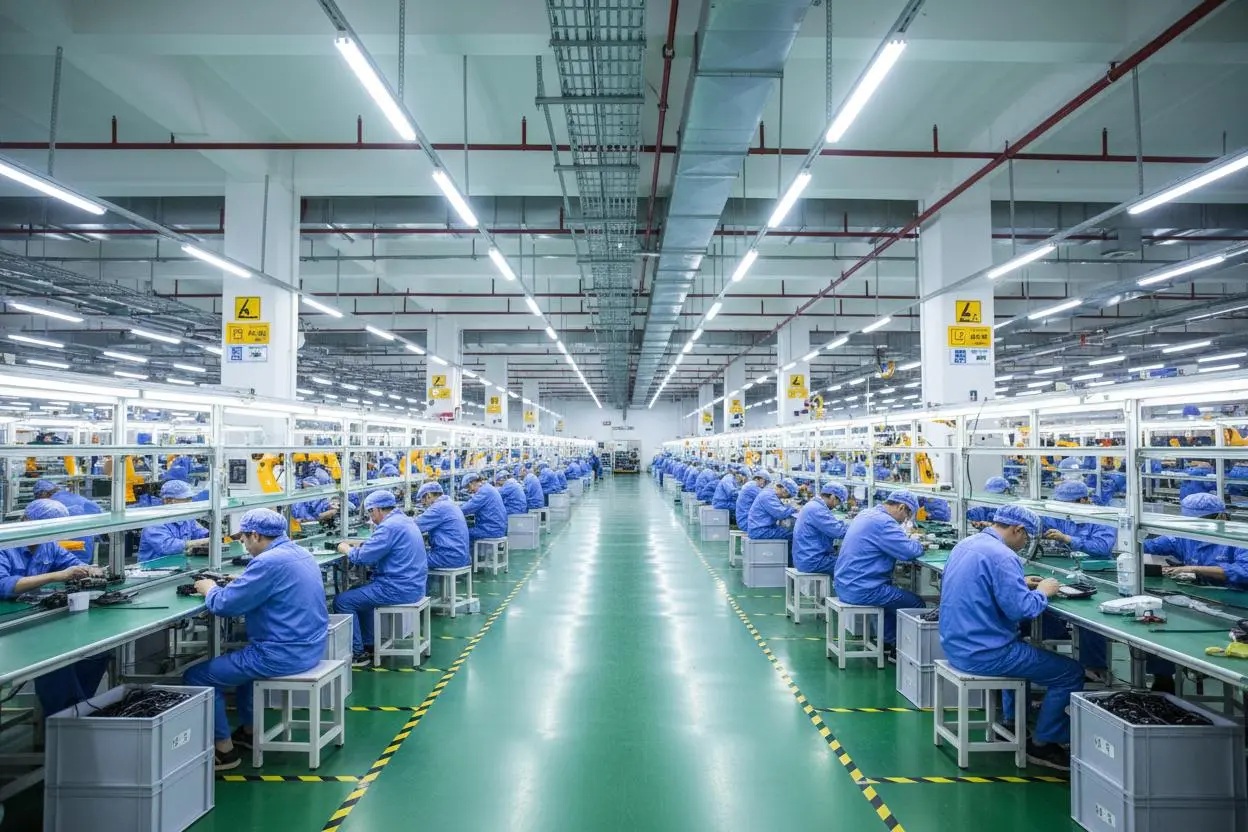
The three main sourcing platforms are Alibaba, 1688, and Made-in-China. For most Kenya importers starting out, Alibaba is the right first platform. For experienced buyers wanting lower factory prices, 1688 via a Mandarin-speaking sourcing agent is the better option. Not yet sure what to import or how to get started? Our How to Start an Import Business in Kenya in 2026 guide covers the full picture before you begin sourcing.
When searching on Alibaba, filter your results by:
- Trade Assurance: orders are covered by Alibaba’s buyer protection system
- Verified Supplier: independently audited by a third party like SGS or Intertek, meaningfully stronger than Gold Supplier status
- Years on platform: 5 or more years with consistent order volume is a strong signal
How to Verify Chinese Suppliers Before Ordering
This is the step most Kenya importers skip entirely. A polished website, fast responses, and low prices are not verification. Here is the process that actually works.
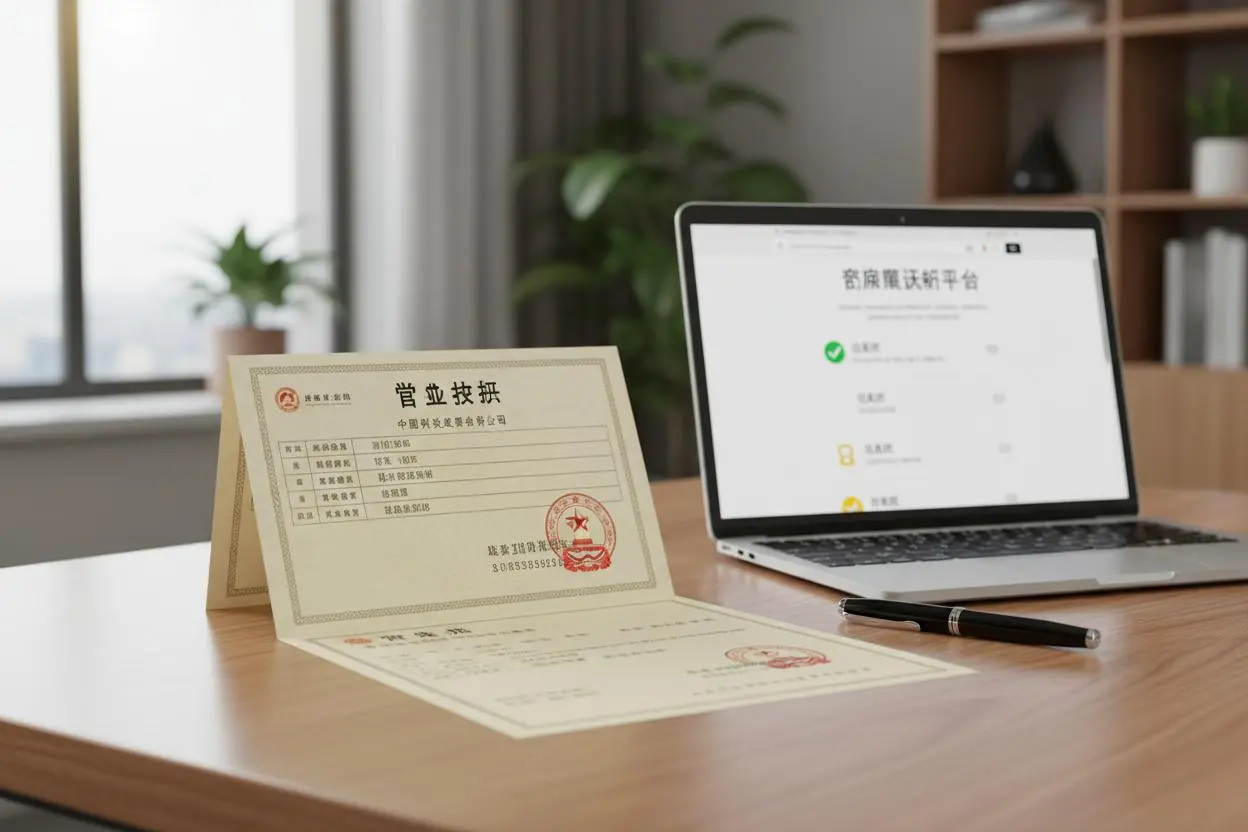
- Request the business license. Every legally registered Chinese company holds a government-issued business license. Ask for a clear copy. It should contain an 18-digit Unified Social Credit Code (USCC), the company name in Chinese, registered address, and business scope.
- Verify the USCC on NECIPS. Go to gsxt.gov.cn (China’s National Enterprise Credit Information Publicity System) and enter the 18-digit USCC. Confirm the company is active, the business scope includes manufacturing or trading your product, and the registered address matches what the supplier told you.
- Cross-check company names. The company name on the business license, the proforma invoice, and the bank account must be identical. Any mismatch is a serious red flag.
- Request a video call. Ask for a live video call showing the production floor, company signage, and current stock. A legitimate factory will accommodate this. A middleman pretending to be a factory will not.
- Check transaction history. On Alibaba, look at the supplier’s transaction volume and years of operation. A supplier with 7 or more years on the platform and consistent monthly orders is statistically far less likely to be a ghost factory.
- Request a proforma invoice. This is also required for KRA customs clearance. A legitimate supplier can produce a properly formatted proforma invoice immediately. Vague or incomplete invoices are a red flag.
Red Flags and Green Flags
- Cannot provide an 18-digit USCC
- Business license company name differs from bank account
- Refuses or delays a live video factory tour
- Prices significantly below all other suppliers
- Requests payment to a personal account
- Cannot produce a proper proforma invoice
- No transaction history or less than 1 year on platform
- Pushes for full payment upfront on a first order
- Switches contact to WhatsApp or WeChat before payment
- Cannot confirm product certifications required for Kenya
- Provides USCC that verifies correctly on NECIPS
- Consistent company name across all documents
- Welcomes a live factory video call
- Pricing consistent with market average
- Accepts payment to company bank account
- Issues a clean, detailed proforma invoice promptly
- 5 or more years on Alibaba with consistent orders
- Offers Trade Assurance or accepts partial deposit
- Responds promptly and in clear English
- Can confirm KEBS-required certifications for your product
How to Find Chinese Suppliers and Negotiate as a Kenya Importer
Most Kenya importers either accept the listed price or try to negotiate too aggressively and damage the relationship. There is a middle path that works.
What you can negotiate
- Unit price: For a first order, request a 5 to 10% reduction and justify it by mentioning your intent to place repeat orders. Do not demand 30% off on order one.
- MOQ: Ask for the lowest possible MOQ. Explain you want to test the market first. Most suppliers on Alibaba will negotiate down if you are polite and clear.
- Payment terms: Standard is 30% deposit upfront and 70% before shipping. For a first order, Trade Assurance is safer than T/T.
- Packaging: Ask for export-standard packaging that meets KEBS requirements where applicable.
What does not work
- Demanding prices that match 1688 on Alibaba. Alibaba suppliers have higher overheads.
- Negotiating via WhatsApp before you have established any relationship.
- Ghosting after requesting a sample. This damages your reputation with that supplier for future orders.
Pamoja Imports: Verified suppliers, Mandarin negotiation, all from KSH 30,000.
Our Chengdu team sources from Pinduoduo, 1688, and Alibaba daily. We verify suppliers using the NECIPS database, conduct video factory tours, negotiate in Mandarin, and inspect goods before they ship. You tell us what you want on WhatsApp and we handle the rest.
- Supplier verification using Chinese government databases
- Mandarin negotiation for better pricing and lower MOQs
- Physical inspection before shipment
- All-in shipping with duties included from KSH 30,000
If Pinduoduo is one of the platforms on your shortlist, note that it is not the same platform as Temu, even though they share a parent company. See our Pinduoduo vs Temu guide for what actually differs between them and why that matters for pricing and access from Kenya.
Ordering a Sample After You Find Chinese Suppliers
A sample order is not optional on a first import. It is the only way to confirm the product matches the listing photos and specifications before you commit thousands of shillings to a full order.
| Sample consideration | What to know |
|---|---|
| Cost | Budget KSH 5,000 to 15,000 for a sample including express shipping from China |
| Shipping method | Use DHL, FedEx, or EMS express for samples. Sea freight is too slow and costly for single units For bulk orders, compare sea vs air costs in our Sea Freight vs Air Freight China Kenya 2026: Cost and Time Compared guide before you commit to a method. |
| What to check | Product matches description, packaging is export-standard, materials are as specified, any KEBS markings are present if required |
| Payment | Pay for samples via Trade Assurance or PayPal where possible. Avoid bank transfer for a supplier you have not verified |
| Keep the approved sample | Hold one approved sample as your quality benchmark. Use it to compare against the full shipment when it arrives |
Knowing how to find Chinese suppliers is not enough if you cannot tell the reliable ones from the risky ones. If a supplier refuses to send a sample, or the sample quality is significantly lower than the listing photos, do not place a full order. Move to your next shortlisted supplier. This step saves more money than any negotiation tactic. For phone imports specifically, always request IMEI numbers and verify them before shipment. See our guide on importing phones from China to Kenya for the full verification and compliance process.
Once your supplier is verified and your sample approved, the next step is arranging freight and understanding your full landed cost. See our complete guide on how to import from China to Kenya for the full step-by-step process, our Kenya import duty guide for a full landed cost breakdown, and our shipping agent guide for how to choose the right freight partner.
Frequently Asked Questions
For more answers to common questions about importing from China to Kenya, visit our Kenya import FAQ page.
Start on Alibaba for your first order. Search your product, filter by Trade Assurance and Verified Supplier badges, shortlist 3 to 5 suppliers, and request a proforma invoice from each. Compare specifications, pricing, and response quality before ordering a sample. For lower prices, use 1688 via a sourcing agent with Chinese-speaking staff.
Request the supplier’s 18-digit Unified Social Credit Code (USCC) and verify it on China’s National Enterprise Credit Information Publicity System at gsxt.gov.cn. Check that the company is active, the business scope includes manufacturing, and the registered address is real. Also confirm the company name on the business license matches the invoice and bank account exactly.
Not for a first order. The cost of a China trip rarely makes sense until you are placing orders above USD 20,000 regularly. For Kenya importers at the SME level, using a sourcing agent with physical presence in China gives you the same verification and negotiation benefits at a fraction of the cost.
MOQs vary widely. On Alibaba, typical MOQs range from 50 to 500 units. On 1688, MOQs are often lower but you need a sourcing agent to access the platform. For a first order, always push for the lowest possible MOQ even if the unit price is slightly higher. Validating the supplier and the product is more important than unit cost savings on your first shipment.
Request a proforma invoice with full product specifications, quantity, unit price, total, payment terms, and shipping terms. Also request a copy of the business license and a sample before committing to a full order. For KEBS-regulated products, confirm the supplier can provide a Certificate of Conformity.
Want us to find and verify suppliers for you?
Send us a WhatsApp with your product. Our Chengdu team sources it, verifies the supplier, negotiates in Mandarin, and ships it all-in to Kenya.
Chat with us on WhatsApp
Jonatan Sirak sirak.se
Founder of Pamoja Imports, a Kenya-China import agency with an operations team based in Chengdu, China. With several years of hands-on experience facilitating shipments across electronics, solar equipment, construction materials, and consumer goods, he helps Kenyan entrepreneurs source and import products profitably. He splits his time between Nairobi and Chengdu.