

HS Codes Kenya: Import Guide for China Sourcing 2026
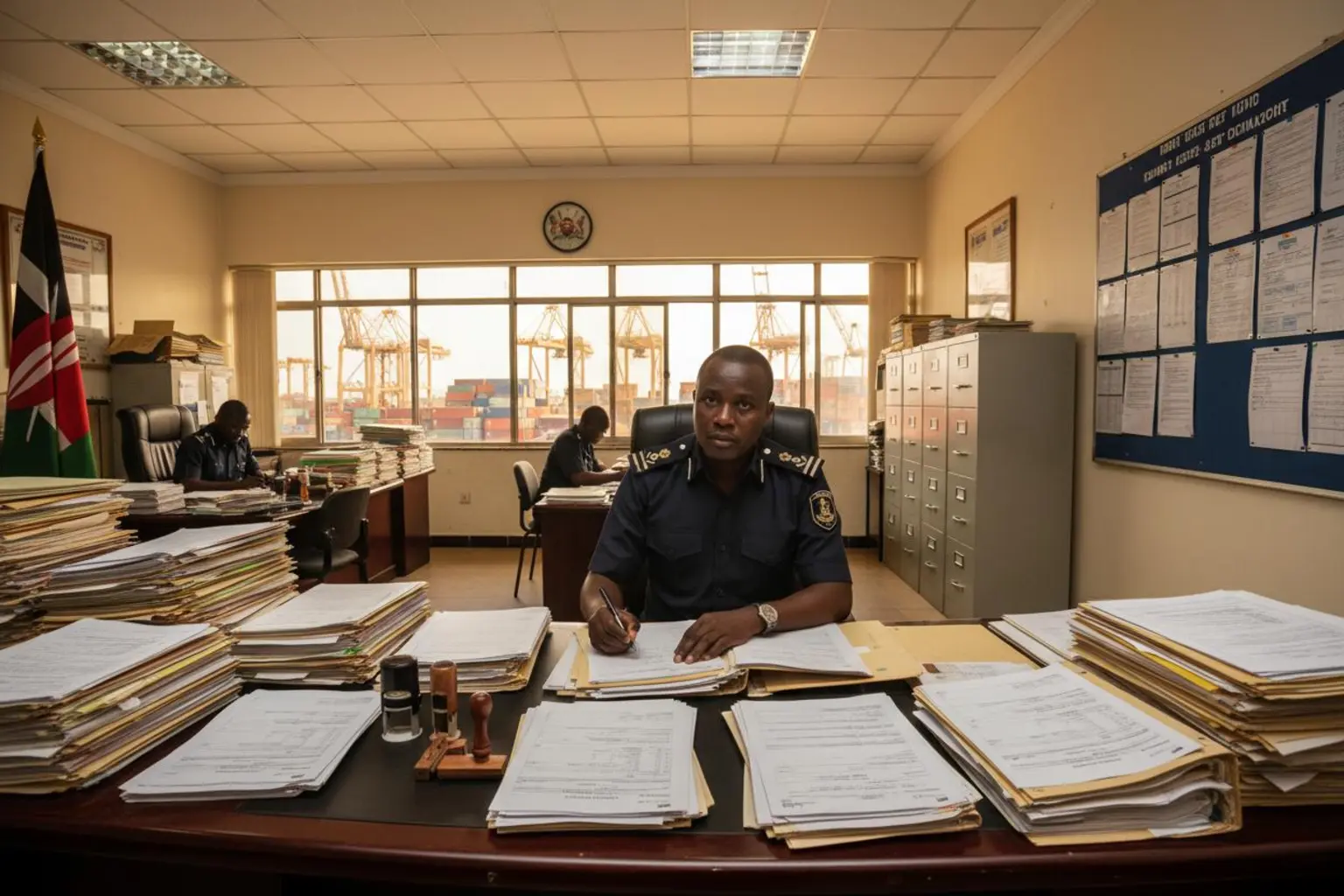
HS codes Kenya are 8-digit product classification numbers used by Kenya Revenue Authority to determine how much import duty you pay on goods from China and every other country. Every product you import must have one, declared on your Import Declaration Form before goods arrive at Mombasa or JKIA. Getting it wrong can cost you tens of thousands of shillings in reclassification penalties, additional duty, and port delays. This guide explains how the code structure works, provides a reference table of codes and duty rates for the most common China import categories, and shows you how to verify your code before you order.
What Is an HS Code?
An HS code, short for Harmonized System code, is an internationally standardized product classification number used by customs authorities in over 200 countries. It was developed by the World Customs Organization and tells every customs department in the world exactly what category of goods you are importing.
In Kenya, HS codes are administered by Kenya Revenue Authority under the East African Community Common External Tariff (EAC CET). The code assigned to your product determines:
- The import duty rate applied to your goods
- Whether VAT applies at the standard 16% rate or a different rate
- Whether excise duty applies
- Whether you need a sector-specific permit before importation
- The risk level KRA assigns your shipment for physical inspection
How the 8-Digit Structure Works in Kenya
HS codes in Kenya have 8 digits. Each pair of digits narrows the classification from broad product category down to the specific national tariff line:
This structure has a direct consequence for importers sourcing from China. Your Chinese supplier will give you a code based on China’s tariff system, which shares the first six digits with Kenya’s but not the last two. Never declare your supplier’s full code without checking the last two digits against the KRA tariff schedule.

HS Codes Kenya: Reference Table for Common China Imports
The table below covers the product categories most frequently imported from China to Kenya. Duty rates are based on the EAC CET 2022 as amended. All rates apply to the CIF value of your goods (cost plus freight plus insurance). Use these as a starting reference and confirm your specific product’s code with a licensed clearing agent before declaring.
| Product | HS Code | Import Duty | Notes |
|---|---|---|---|
| Electronics and Electrical Equipment | |||
| Smartphones | 8517.13.00 | 35% | + 10% excise duty. Finance Bill 2026 proposes changes. Our phones guide covers the full tax stack. |
| Phone chargers | 8504.40.00 | 25% | Covers AC/DC adapters and charging units. |
| USB cables | 8544.42.00 | 25% | |
| Phone cases (plastic) | 3926.90.90 | 25% | |
| Laptops and computers | 8471.30.00 | 0% | Zero duty. Strong margin opportunity. For a full subcategory breakdown of electronics duty rates, compliance requirements, and a landed cost example, see our guide to importing electronics from China to Kenya. |
| Bluetooth speakers | 8518.22.00 | 25% | |
| Earphones and headphones | 8518.30.00 | 25% | |
| LED bulbs | 8539.52.00 | 25% | |
| LED strip and decorative lighting | 9405.40.90 | 25% | Different chapter from bulbs. Common misclassification. |
| Solar panels | 8541.40.00 | 0% | Zero duty. Note: inverters and batteries are classified separately and attract duty. For the full HS code split across solar system components, see our how to import solar panels from China to Kenya guide. |
| Lithium-ion batteries (standalone) | 8507.60.00 | 0% | Zero duty as of EAC CET 2022 amendment. |
| Inverters (solar/power) | 8504.40.90 | 25% | Static converters. Different subheading from chargers. |
| Charge controllers | 8504.40.20 | 25% | |
| Electric fans | 8414.51.00 | 25% | |
| Electric kettles | 8516.40.00 | 25% | |
| Clothing and Textiles | |||
| Cotton T-shirts and knitwear (knitted) | 6109.10.00 | 25% | Cotton. Polyester falls under 6109.90.00. |
| Cotton pullovers and hoodies (knitted) | 6110.20.00 | 25% | |
| Men’s woven shirts | 6205.20.00 | 25% | Cotton. Different code for synthetic. |
| Women’s woven trousers | 6204.62.00 | 25% | |
| Sportswear and activewear | 6211.42.00 | 25% | |
| Undergarments | 6108.21.00 | 25% | |
| Fashion Accessories and Bags | |||
| Handbags | 4202.22.00 | 25% | |
| Backpacks | 4202.92.00 | 25% | |
| Wallets | 4202.31.00 | 25% | |
| Sunglasses | 9004.10.00 | 25% | |
| Wristwatches | 9102.11.00 | 25% | Automatic movement. Quartz: 9102.12.00. |
| Caps and hats | 6505.00.00 | 25% | |
| Fashion jewellery | 7117.19.00 | 25% | |
| Beauty and Personal Care | |||
| Human hair extensions | 6703.00.00 | 0% | Zero duty on human hair. |
| Synthetic hair extensions and wigs | 6704.11.00 | 25% | Different code and rate from human hair. |
| Hair straighteners and curlers | 8516.32.00 | 25% | |
| Skin care and cosmetics | 3304.99.00 | 25% | PVoC certificate required. See our compliance guide. |
| Nail products | 3304.30.00 | 25% | |
| Perfumes | 3303.00.00 | 25% | |
| Household Goods and Kitchenware | |||
| Plastic tableware and storage | 3924.10.00 | 25% | |
| Stainless steel cookware | 7323.93.00 | 25% | |
| Blenders and food processors | 8509.40.00 | 25% | |
| Bedding with synthetic fill | 9404.90.00 | 25% | |
| Towels | 6302.60.00 | 25% | |
| Construction and Hardware | |||
| Iron and steel roofing sheets | 7210.49.00 | 10% | |
| Steel pipes and tubes | 7306.30.00 | 25% | |
| Hand tools (spanners, hammers) | 8204.11.00 | 10% | |
| Power drills | 8467.21.00 | 25% | |
| PVC pipes | 3917.22.00 | 10% | |
| Ceramic and porcelain tiles | 6907.21.00 | 35% | Sensitive item. Highest duty band. |
| Bathroom taps and mixers | 8481.80.00 | 25% | |
| Padlocks and door locks | 8301.10.00 | 25% | |
| Agricultural and Garden Equipment | |||
| Drip irrigation kits and hoses | 3917.32.00 | 0% | Zero duty. |
| Water pumps | 8413.70.00 | 0% | Zero duty. |
| Sprayers | 8424.41.00 | 0% | Zero duty. |
| Wheelbarrows | 8716.80.00 | 10% | |
Rates based on EAC CET 2022 as amended. Applied to CIF value (goods cost plus freight to Kenya). Verify against the current KRA tariff schedule before declaring. For landed cost calculation including duty, VAT, IDF, and RDL, use our shipping calculator.
Pamoja Imports: We Verify HS Codes Before Your Goods Leave China
Most Kenya importers only discover an HS code problem when their shipment is held at Mombasa. Our Chengdu team verifies the correct KRA tariff line for every product before it ships, so your landed cost calculation is accurate before you commit to an order.
- HS code verification included with every sourcing request
- Sourcing from Pinduoduo and 1688 at factory-direct prices
- All-in sea freight from 65,000 ksh/CBM including duty, VAT, IDF, and RDL
- Air freight from 1,700 ksh/kg all-in
- First 10 products free to source
Four HS Code Mistakes That Cost Kenya Importers Money
Chinese suppliers operate under China’s 10-digit tariff system. The first six digits are internationally standardized and match Kenya’s. The final digits are China-specific and will often not match the KRA tariff line. If your supplier puts their full code on your commercial invoice and you declare it as-is, you may be declaring against a tariff line that does not exist in Kenya or carries a different duty rate.
Importers who order multiple product types often put them under a single code for simplicity. This is one of the fastest ways to trigger a KRA red-channel inspection. Each product line on your commercial invoice must have its own correct HS code. A mixed shipment of phone cases, USB cables, and Bluetooth speakers is three separate HS codes, not one. Declaring all three under a single code gives KRA grounds to query the entire shipment.
KRA classifies goods by the legal description in the tariff schedule, not by what they look like or what your supplier calls them. A cotton T-shirt and a polyester T-shirt are different HS codes with different duty implications. A bag designed as a tool kit is not classified the same as a handbag. LED strip lighting and LED bulbs fall under different chapters entirely. Function, material composition, and intended use determine the code. The same applies to festive goods: toys, Christmas decorations, and string lights each sit under different headings with different duty treatment, as our seasonal import ideas Kenya guide breaks down for those specific categories.
Some importers declare finished electronics under raw material codes or clothing under textile fabric codes to pay a lower duty rate. A 2025 Kenya Tax Appeals Tribunal ruling shows how costly this can get: see our electric bike Kenya import guide for a real case where a company’s electric bikes were reclassified from a bicycle-parts code to the electric motorcycle tariff line, adding tens of thousands of dollars in back taxes. KRA maintains reference price databases for every major product category and physically inspects flagged shipments. If your declared classification is inconsistent with the goods KRA finds in the container, you will be reclassified, fined the duty difference, and in serious cases your goods will be seized. The savings are not worth the risk.
What KRA Does When It Suspects Misclassification
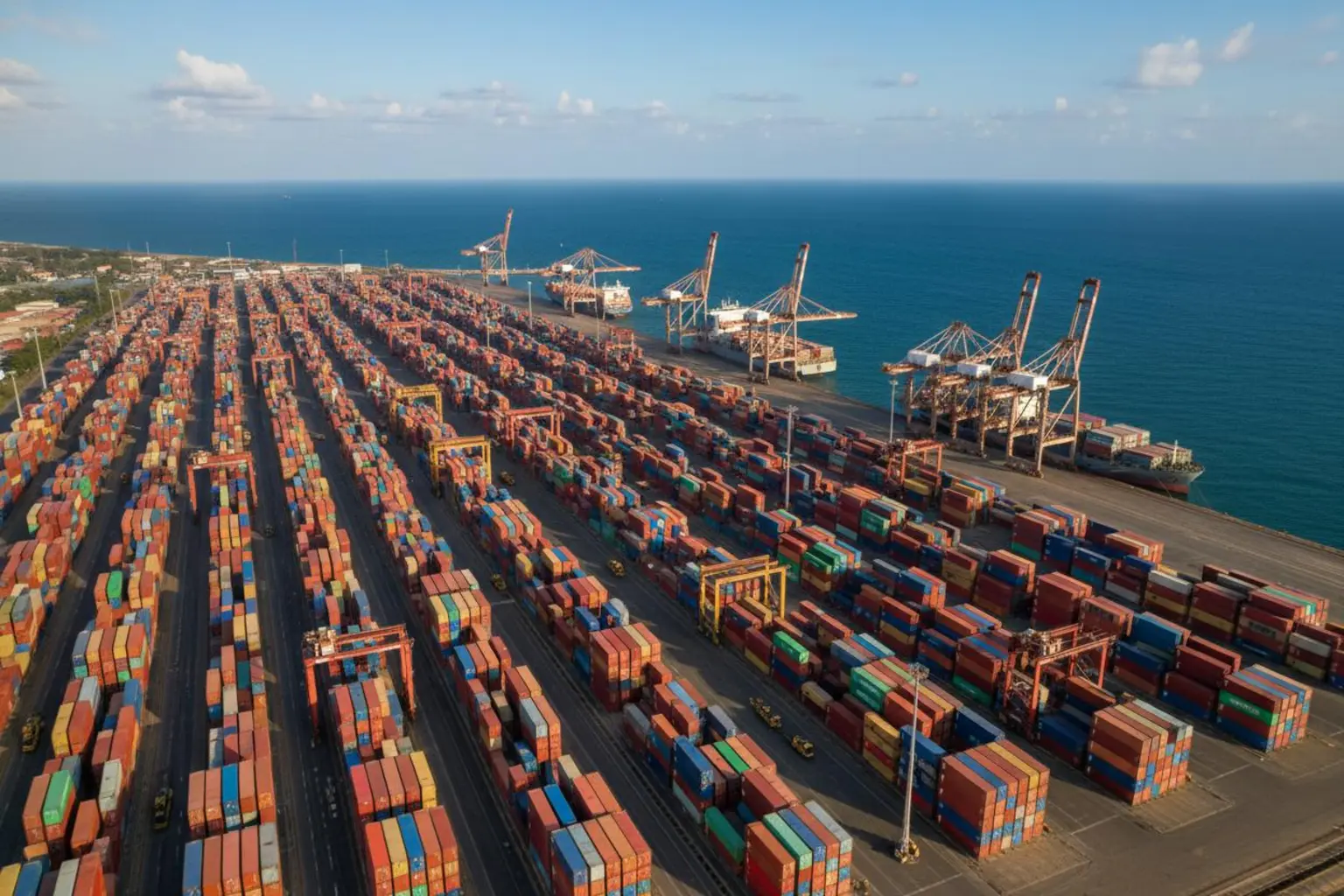
Every import declaration is automatically assigned a clearance channel by KRA’s iCMS system. Green channel means release without physical inspection. Yellow channel means document review only. Red channel means physical inspection of the shipment contents before release.
The factors that push a shipment toward red channel include a declared CIF value below KRA’s reference price for that product category, an HS code that does not match the product description on the commercial invoice, a prior history of queries on the importer’s KRA PIN, and product categories with known misclassification rates such as electronics and textiles.
If KRA reclassifies your goods on arrival, you pay the full duty difference between what you declared and the correct rate, a penalty that can match the duty difference, and port storage fees that have been accumulating since your shipment docked. At Mombasa, free storage time is typically three to five days before demurrage charges begin.
For a full breakdown of how KRA customs clearance works step by step, see our complete guide on how to import from China to Kenya.
How to Find and Verify Your HS Code Before You Order
- Start with the KRA tariff schedule. The EAC Common External Tariff 2022 is published on the KRA website at kra.go.ke. Search by product description to find candidate headings. The tariff is structured hierarchically, so start with the chapter that most logically fits your product, then work down to the subheading.
- Cross-check by material and function, not product name. Two products that look similar may have different HS codes if they are made from different materials or serve different functions. Verify both the material composition and the intended use of your product before settling on a code.
- Confirm your code before placing your order. This is the only step that removes uncertainty. For shipments sourced through Pamoja Imports, our Chengdu team verifies the correct KRA tariff line for every product before it ships, so your landed cost calculation is accurate before you commit. Submit a source request to get started.
- Make sure your commercial invoice matches your declared code. The product description on the invoice must match the tariff description for your HS code. If KRA opens the container and finds goods that do not match the invoice, the entire shipment is held regardless of whether your code was correct.

Frequently Asked Questions
For more answers to common questions about importing from China to Kenya, visit our Kenya import FAQ page.
An HS code in Kenya is an 8-digit product classification number used by Kenya Revenue Authority to determine import duty, VAT, excise duty, and permit requirements for imported goods. It is based on the international Harmonized System maintained by the World Customs Organization, extended to 8 digits under the EAC Common External Tariff.
Kenya uses 8-digit HS codes under the EAC Common External Tariff. The first 6 digits are internationally standardized. The last 2 digits are specific to Kenya and the EAC and determine the exact duty rate applied to your goods.
KRA can reclassify your goods on arrival and charge the full duty difference plus a penalty. Your shipment is held during reclassification and storage fees accumulate at the port. In cases of deliberate misclassification, goods can be seized. Always verify your code before your goods leave China. See our Kenya import regulations guide for the full compliance picture.
Only the first six digits are safe to carry over from a Chinese supplier’s code, as these are internationally standardized. The last two digits are China-specific and may not match the KRA tariff line. Always cross-check the full 8-digit code against the EAC Common External Tariff before declaring.
The EAC Common External Tariff is published on the KRA website at kra.go.ke. You can also consult a licensed clearing agent, who will verify your code against current KRA practice rather than just the published schedule. For shipments sourced through Pamoja Imports, our Chengdu team verifies HS codes before goods leave China as part of our standard service.
Know Your Costs Before You Order
We verify HS codes and calculate your full landed cost before your goods leave China. Submit a source request and our team will get back to you within 24 hours.
Submit a Source Request
Jonatan Sirak sirak.se
Founder of Pamoja Imports, a Kenya-China import agency with an operations team based in Chengdu, China. With several years of hands-on experience facilitating shipments across electronics, solar equipment, construction materials, and consumer goods, he helps Kenyan entrepreneurs source and import products profitably. He splits his time between Nairobi and Chengdu.

Hello, am planning to import gypsum channels Galvanized steel stops coils .
28 tonnes in a 20 fts container
Thickness 0.35mm
width of 54 mm
Kindly advise on taxation in kenya
Hello, for full container load (FCL) we need the commercial invoice & packing list to provide you with a quote.
Please reach out to our WhatsApp and we will help you figure out the total landed cost.