

How to Import Clothing from China to Kenya: 2026 Guide
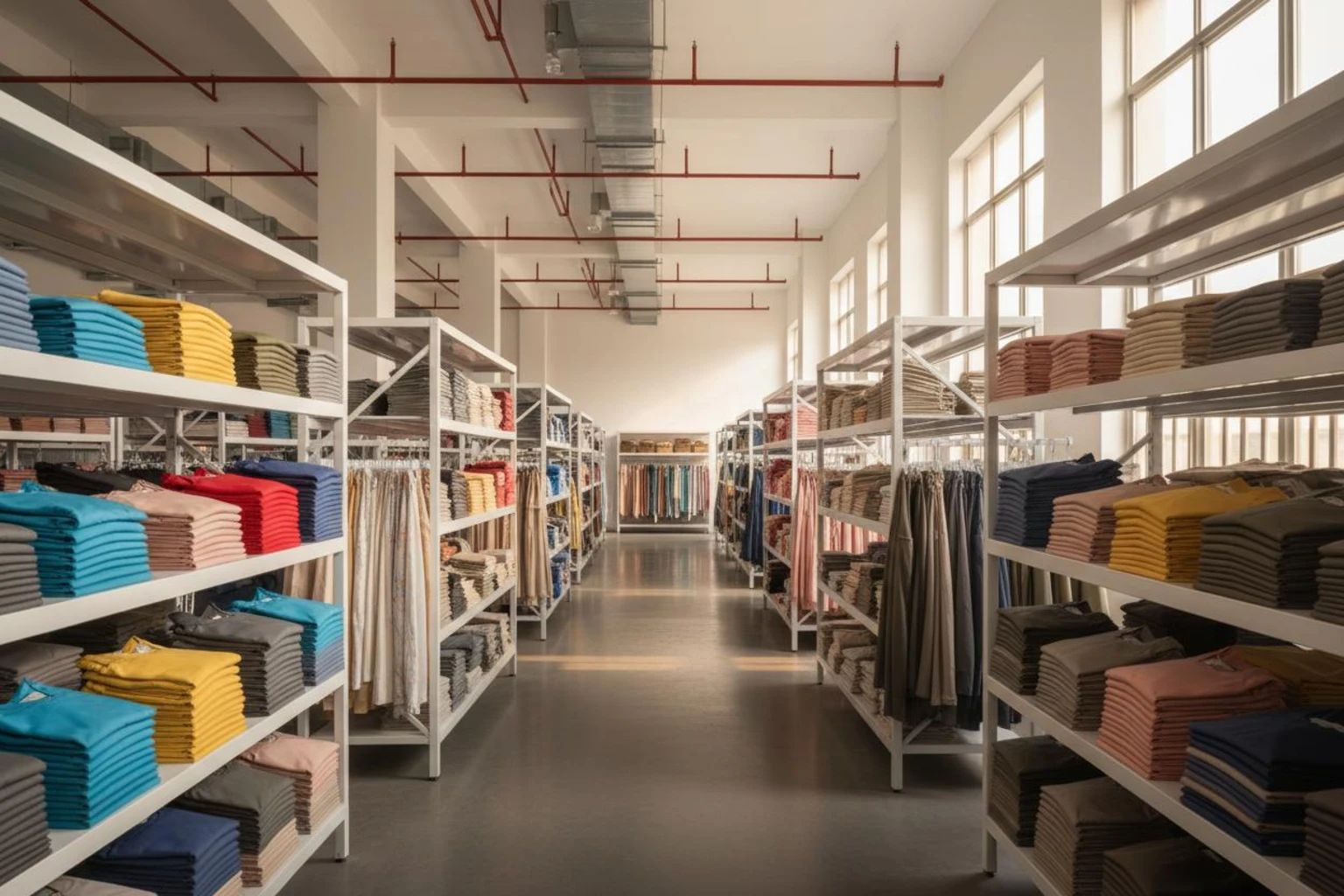
To import clothing from China to Kenya, you need to source garments from Chinese factories, pay 25% import duty plus VAT and levies on new clothing (35% on used), and ship by sea freight for large orders or air freight for urgent restocks. Pamoja Imports handles the full process on your behalf, from finding suppliers and running quality checks in Chengdu to customs clearance and Nairobi delivery, from a 30,000 ksh minimum order.
- What types of clothing can you import from China to Kenya?
- Import duties and taxes on clothing
- How Pamoja sources clothing from Chinese factories
- MOQs and wholesale pricing
- Sizing differences: China vs Kenya
- Quality control for clothing imports
- How to ship when you import clothing from China to Kenya
- Landed cost example
- Frequently Asked Questions
Clothing is one of the most popular product categories for Kenya importers sourcing from China, and for good reason. Chinese manufacturers produce every clothing category at price points that allow healthy margins for Kenyan retailers. But the process has specific challenges: duty rates differ between new and used garments, Chinese sizing runs significantly smaller than Kenyan expectations, and quality varies dramatically between suppliers. This guide covers everything you need to know to import clothing from China to Kenya profitably.
What Types of Clothing Can You Import from China to Kenya?
Chinese manufacturers produce essentially every clothing category that sells in Kenya. The most common categories for Kenya importers are:
Casual and Streetwear
T-shirts, hoodies, joggers, jeans, shorts, and casual dresses. This is the highest-volume category for Kenya importers. Strong demand across Nairobi, Mombasa, and secondary towns. Wide price range from budget polyester to premium cotton blends. Sourced heavily from Guangzhou and Dongguan.
Best for: first-time importersActivewear and Sportswear
Gym wear, yoga pants, sports bras, running shorts, and tracksuits. Kenya’s fitness culture in urban centres has driven strong demand since 2023. Margins are strong because quality perception justifies higher retail prices. Fabric quality checks are critical as synthetic blends vary widely.
Best for: urban market, Instagram retailSmart Casual and Office Wear
Blazers, formal shirts, trousers, blouses, and pencil skirts. Steady demand from Kenya’s growing professional workforce. Higher unit prices mean better margins per piece, but MOQs per style can be higher. Pay close attention to stitching quality and fabric weight for this category.
Best for: established retailersChildren’s Clothing
Baby sets, school uniforms, kids’ casual wear. High repeat-purchase rate from parents. Sizing complexity is greater since children’s sizing in China differs substantially from Kenyan children’s measurements. Fabric safety is a consideration for baby items.
Best for: community-level retailersImport Duties and Taxes on Clothing from China to Kenya
Understanding the full tax burden on clothing is essential before you calculate margins. Kenya applies multiple taxes at the border, and clothing attracts a significant combined rate. For a full breakdown of all duty categories, see our Kenya import duty from China guide.
| Tax / Levy | New Clothing | Used Clothing | Basis |
|---|---|---|---|
| Import Duty | 25% | 35% | CIF value |
| VAT | 16% | 16% | CIF + duty |
| Import Declaration Fee (IDF) | 2.5% | 2.5% | CIF value |
| Railway Development Levy (RDL) | 2% | 2% | CIF value |
| Approximate total | ~50-55% | ~60-65% | of CIF value |
All of these taxes are included in Pamoja Imports’ all-in freight rates. You do not need to calculate or pay them separately when you ship through us. The rates above apply across the major clothing HS code chapters: Chapter 61 (knitted or crocheted garments, such as T-shirts and knitwear) and Chapter 62 (non-knitted garments, such as woven trousers, shirts, and blouses).
How to Source Clothing from China: Your Options as a Kenya Importer
Kenya importers sourcing clothing from China have three realistic options. Understanding the trade-offs between them helps you decide which approach fits your business stage and budget. For a full comparison of Chinese sourcing platforms, see our China sourcing platform comparison guide.
Option 1: Alibaba International (accessible, but expensive)
Alibaba’s international platform is the most accessible option for Kenya importers because it operates in English, accepts international payment methods, and suppliers are accustomed to working with overseas buyers. The trade-off is price. Alibaba suppliers are trading companies and export agents, not factories, and their margins are built into the price you pay. For clothing, you will typically pay 30 to 60% more per piece on Alibaba compared to factory-direct pricing. MOQs also tend to be higher, often 100 pieces or more per style.
Option 2: Chinese domestic platforms (cheapest, but inaccessible without local setup)
The lowest factory prices for clothing in China are on domestic platforms like Pinduoduo and 1688. These platforms operate entirely in Mandarin, require a Chinese phone number to register, and only accept Chinese payment methods such as WeChat Pay and Alipay. Kenya importers cannot access them directly. Suppliers on these platforms are often the same factories supplying Alibaba, but at prices 30 to 60% lower because there is no export middleman markup. T-shirts sourced this way typically range from 25 to 80 RMB per piece, casual dresses from 30 to 120 RMB, and activewear sets from 50 to 150 RMB depending on fabric and design complexity.
Option 3: Sourcing agent with factory-direct access (best price, no setup required)
Working with a sourcing agent based in China gives you factory-direct pricing without needing to navigate Chinese platforms, speak Mandarin, or set up local payment accounts. The agent sources, negotiates, inspects, and consolidates your order before shipping. The cost of the agent’s service is typically more than offset by the lower product prices compared to buying directly on Alibaba. For how to evaluate whether a sourcing agent is legitimate, see our guide to finding Chinese suppliers.
MOQs and Wholesale Pricing for Clothing
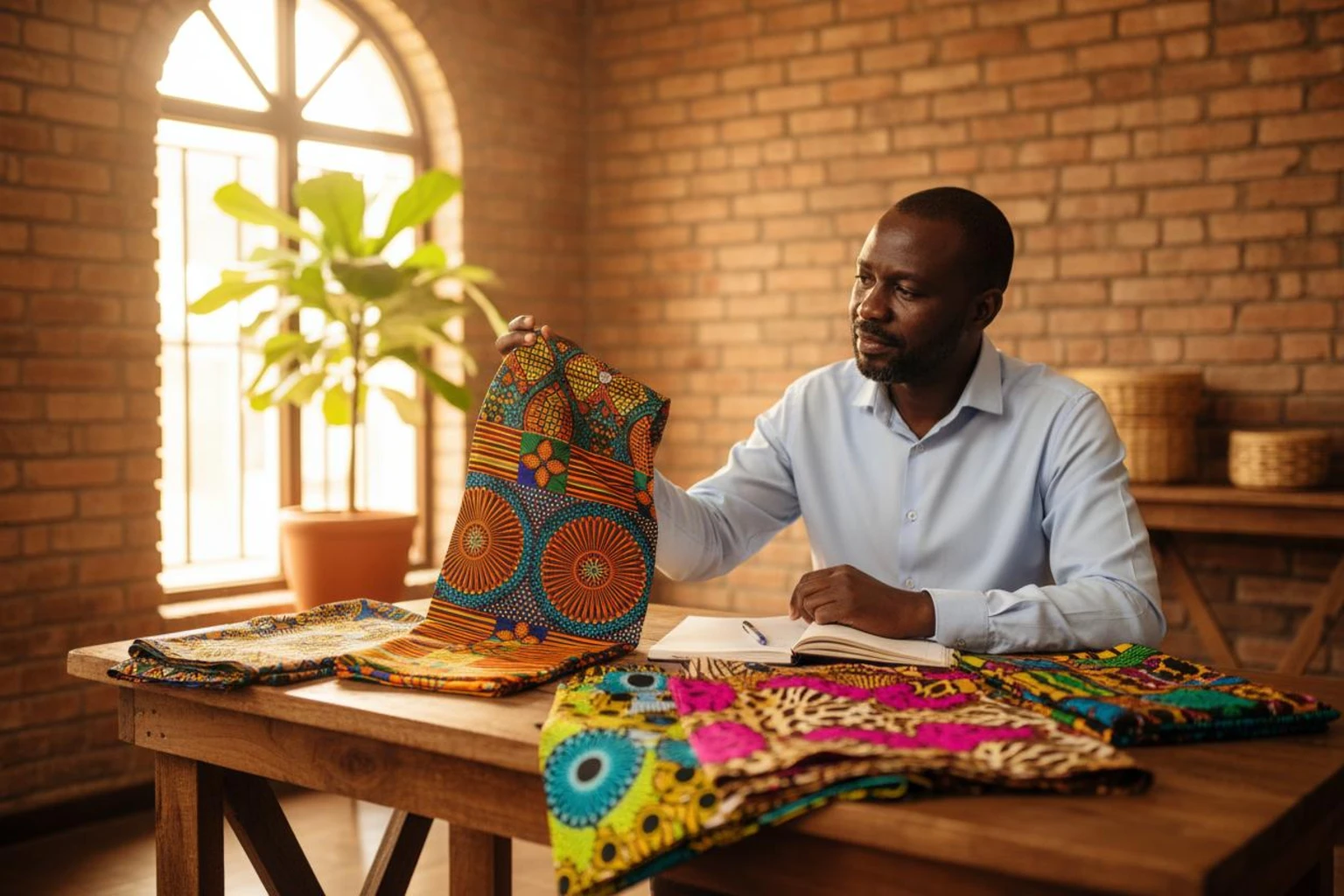
Minimum order quantities for clothing depend on the supplier and whether you want standard styles or custom work. Here is what to expect when you import clothing from China to Kenya. For negotiation strategies to reduce MOQs and get better prices, see our guide to negotiating with Chinese suppliers.
| Clothing Category | Typical MOQ | Typical Price Range (RMB) | Use Case |
|---|---|---|---|
| Standard styles, mixed sizes | 10 to 30 pieces/style | 25 to 120 RMB/piece | Small batch test |
| Wholesale factory stock | 50 to 100 pieces/style | 20 to 80 RMB/piece | Bulk replenishment |
| Custom label / OEM | 200 to 500 pieces/style | 30 to 150 RMB/piece | Factory direct |
| Activewear sets | 20 to 50 pieces/style | 50 to 180 RMB/set | Mixed suppliers |
Pamoja Imports has a minimum order value of 30,000 ksh excluding shipping. For clothing, this comfortably covers a mixed order of 50 to 150 pieces across multiple styles, depending on price point. Your first 10 sourcing requests are handled free. From the 11th order onwards, a 5,000 ksh one-time deposit per order applies, deducted from your final invoice when the order is placed within 14 days.
Sizing Differences: China vs Kenya
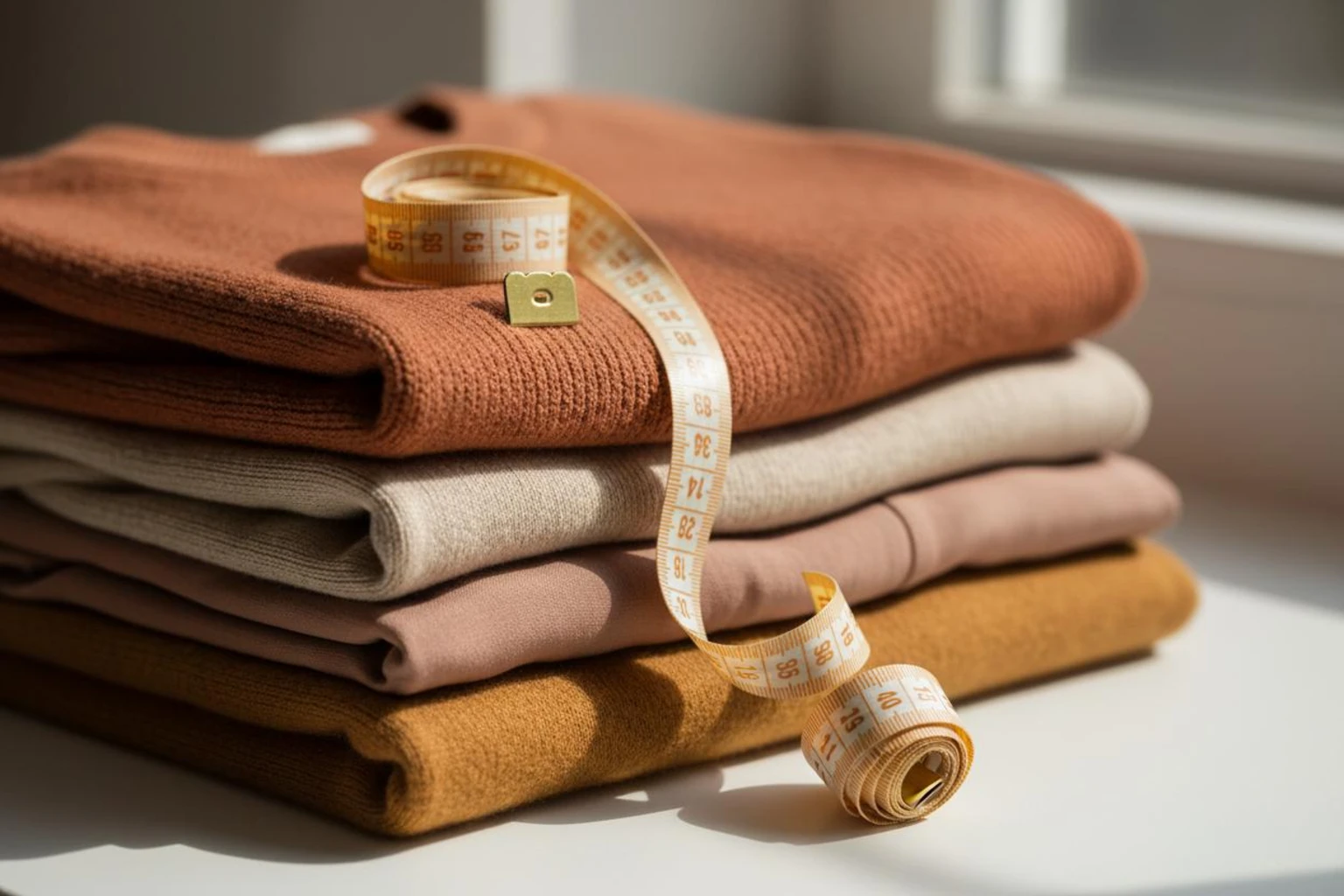
This is the single most common problem we see with first-time clothing importers. Chinese clothing sizes run significantly smaller than the international sizing that Kenyan buyers are accustomed to. A Chinese XL is roughly equivalent to an international M. If you order based on the label size without checking the actual measurements, a large portion of your stock may be unsellable to your target customers.
How to get sizing right before you order
- Request the supplier’s measurement chart in centimetres, not just size labels
- Compare against actual body measurements of your target customer base
- Order a size sample of each style in at least two sizes before committing to bulk
- When in doubt, order one size up from what the label says
- For children’s clothing, measure against actual garment dimensions rather than age labels
Quality Control for Clothing Imports
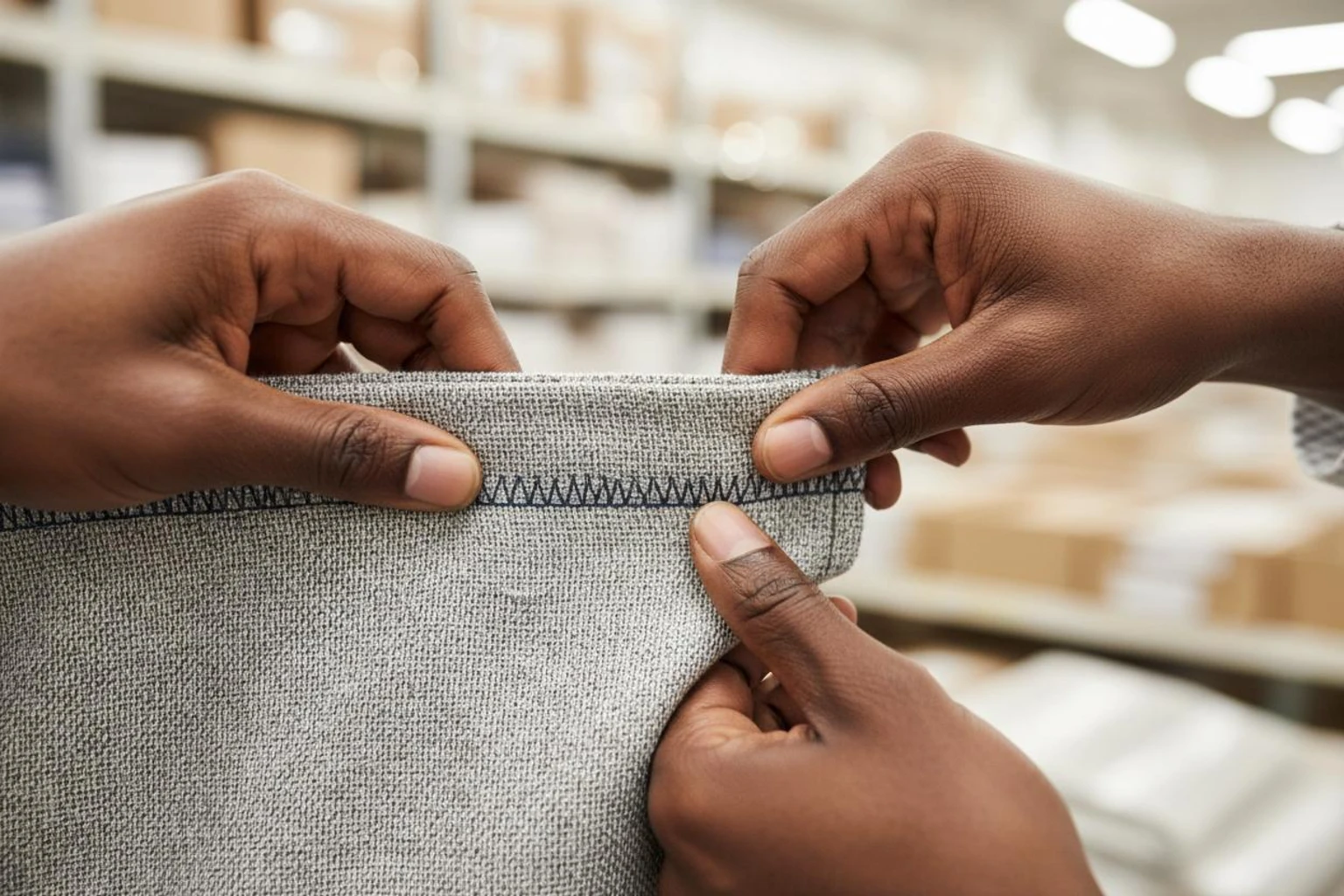
Clothing quality problems are almost always discovered after goods arrive in Nairobi, which is too late. A pre-shipment inspection in China is your only reliable way to catch issues before they become your inventory. For a complete framework covering all product categories, see our quality control guide for China imports.
Key checks for clothing before shipment
Clothing QC Checklist
- Fabric composition matches what was specified (request supplier test report for high-value orders)
- Fabric weight is consistent across pieces (light fabrics often indicate poor quality substitution)
- Stitching is even with no loose threads, skipped stitches, or unravelling seams
- Zippers open and close smoothly without snagging
- Buttons are securely attached and consistent in appearance
- Colour is consistent across all pieces in the order with no fading or variation
- Actual measurements match the supplier’s size chart for each size ordered
- Labelling is correct, including care instructions and fibre content
- Packaging is secure and appropriate for sea freight if applicable
How to Ship When You Import Clothing from China to Kenya: Air vs Sea
Clothing is a high-volume, relatively low-weight product category. This makes it one of the product types where sea freight almost always wins on cost. For a full comparison with worked examples, see our sea freight vs air freight guide.
| Method | Rate | Transit Time | Best For |
|---|---|---|---|
| Sea freight | 65,000 ksh/CBM all-in | 30 to 35 days | Orders over 50 kg, bulk restocks |
| Air freight | 1,700 ksh/kg all-in | 7 to 14 days | Urgent restocks, small test orders |
A typical 100-piece clothing order weighs roughly 30 to 50 kg depending on garment weight and takes up approximately 0.3 to 0.5 CBM of space. At those volumes, air freight would cost between 51,000 and 85,000 ksh. Sea freight for the same order would cost between 19,500 and 32,500 ksh. For most clothing orders, sea freight saves between 40 and 60% on shipping.
The exception is urgent restocks ahead of a peak season, where 7 to 14 day air freight delivery is worth the premium. Many experienced importers use sea freight for their main inventory and air freight for small top-ups on fast-moving styles.
Landed Cost Example: 100-Piece Casual Wear Order
Here is a worked example showing the all-in landed cost to import clothing from China to Kenya using Pamoja Imports, based on a 100-piece order of casual T-shirts and joggers sourced through Pamoja Imports.
| Cost Component | Amount (ksh) | Notes |
|---|---|---|
| Product cost (100 pieces @ ~60 RMB avg) | ~120,000 | 60 RMB x 100 x ~20 exchange rate |
| Sea freight (0.4 CBM) | 26,000 | 65,000 ksh/CBM x 0.4 CBM |
| Import duty, VAT, IDF, RDL | Included | All-in rate covers all taxes |
| Total landed cost | ~146,000 | ~1,460 ksh per piece landed |
If retail price per piece is 2,500 ksh, total revenue on the order is 250,000 ksh against a landed cost of ~146,000 ksh. That gives a gross margin of approximately 104,000 ksh on a 100-piece order before your own operating costs. Actual margins depend on the supplier price, product mix, and freight volume.
Pamoja Imports: Full-Service Clothing Sourcing from China to Kenya
We source clothing for Kenya importers daily through Pinduoduo and 1688, with our Chengdu team handling supplier communication, quality checks, and consolidation before shipment. You do not need to navigate Chinese platforms, manage language barriers, or coordinate logistics. We handle all of it at all-in rates of 65,000 ksh/CBM by sea and 1,700 ksh/kg by air, including all taxes and customs clearance.
- Sourcing from Pinduoduo and 1688 at factory prices
- Size verification against your customer measurements before bulk order
- Pre-shipment quality inspection at our Chengdu warehouse
- Consolidation of multiple suppliers into one shipment
- All-in sea and air freight rates with no hidden fees
- Customs clearance and Nairobi delivery included
Frequently Asked Questions: Importing Clothing from China to Kenya
For more answers to common questions about importing from China to Kenya, visit our Kenya import FAQ page.
New clothing from China attracts a 25% import duty in Kenya, plus 16% VAT, 2.5% IDF, and 2% RDL, all calculated on the CIF value. Used clothing (mitumba) carries a higher duty of 35%. The total tax burden on new garments lands at around 50 to 55% of the CIF value depending on the product category. When you ship through Pamoja Imports, all of these taxes are included in our all-in freight rate.
MOQs vary by supplier and clothing category. For standard styles, many factory suppliers accept from 10 to 30 pieces per style. For wholesale factory stock, MOQs typically start at 50 to 100 pieces per style. Custom or branded orders may require 200 pieces or more. Pamoja Imports has a minimum order value of 30,000 ksh excluding shipping, which typically covers 50 to 150 pieces depending on product price point.
Chinese clothing sizes run significantly smaller than what Kenyan buyers expect. A Chinese XL is roughly equivalent to a Kenyan or international M. Always request the supplier’s actual measurement chart in centimetres and compare against your target customer measurements before ordering. Ordering a size sample first is strongly recommended. Many Kenya importers stock Chinese sizes XL to 4XL to cover the Kenyan S to XL range.
Sea freight is almost always cheaper for clothing due to its high volume-to-weight ratio. Sea freight from China to Kenya costs 65,000 ksh per CBM all-in. Air freight costs 1,700 ksh per kg all-in. For large orders of 50 kg or more, sea freight typically saves between 40 and 60% on shipping costs. Air freight is best for urgent restocks or very small test orders where speed matters more than cost.
Yes. You can consolidate multiple suppliers and multiple product styles into a single sea freight shipment. This is one of the key advantages of using a sourcing agent with a consolidation warehouse in China. Pamoja Imports consolidates orders from multiple suppliers at our Chengdu warehouse before shipping, so you are not paying for separate smaller shipments.
Key quality checks for clothing include: fabric weight and composition (request a lab test for high-value orders), stitching consistency and seam strength, zipper and button functionality, colour consistency across pieces, accurate sizing against the supplier measurement chart, and correct labelling including care instructions. Request a pre-shipment inspection before your goods leave China. Pamoja Imports conducts pre-shipment checks on all orders at our Chengdu warehouse as standard.
Ready to Import Clothing from China?
Submit a source request and our Chengdu team will find your product, confirm pricing, and handle everything from factory to Nairobi.
Submit a Source Request
Jonatan Sirak sirak.se
Founder of Pamoja Imports, a Kenya-China import agency with an operations team based in Chengdu, China. With several years of hands-on experience facilitating shipments across electronics, solar equipment, construction materials, and consumer goods, he helps Kenyan entrepreneurs source and import products profitably. He splits his time between Nairobi and Chengdu.