

Import Electronics from China to Kenya 2026 Guide
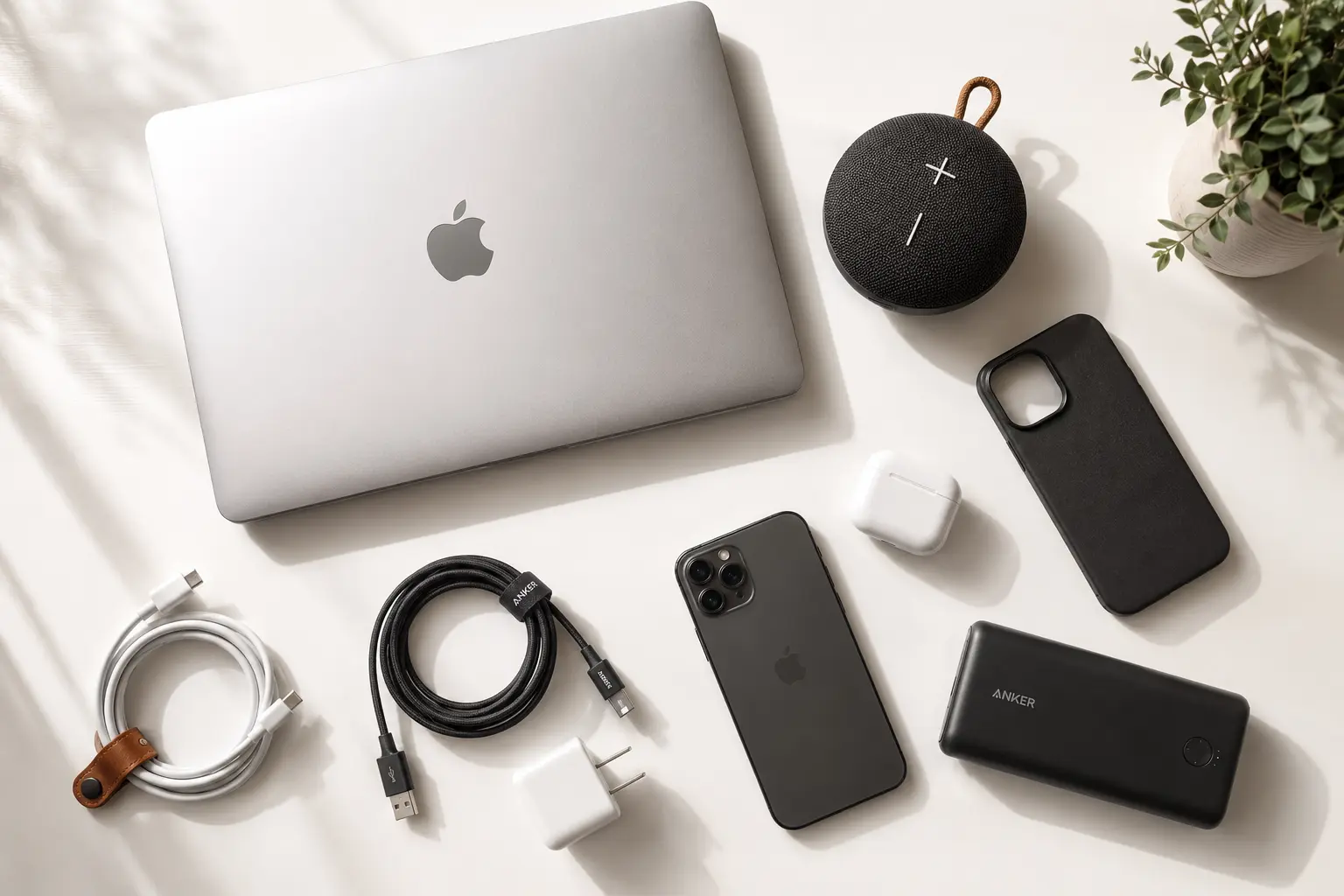
To import electronics from China to Kenya, you need to source from a verified Chinese supplier, obtain a KEBS Certificate of Conformity before shipment, calculate your landed cost using the correct duty rate for your product subcategory, and clear customs through KRA on arrival. Duty rates range from 0% for laptops to 35% plus excise for mobile phones. All imports also pay VAT at 16%, IDF at 2.5%, and RDL at 2%.
Kenya imported over $685 million worth of electrical and electronic goods from China in 2024, making electronics one of the largest import categories on the China-Kenya corridor. The figure covers the full spectrum from consumer devices to industrial electrical components, reflecting how central Chinese electronics supply chains are to the Kenyan market.
But electronics is also one of the most compliance-heavy categories to import. The duty structure varies sharply by subcategory, KEBS certification requirements changed in early 2026, and certain product types require additional approvals that most import guides skip entirely. Most existing guides online use stale duty figures and point importers toward Alibaba, which is not where competitive electronics prices are found.
This guide gives you the accurate 2026 picture for anyone looking to import electronics from China to Kenya: correct duty rates by subcategory, current KEBS and PVoC requirements, a realistic landed cost example in ksh, and the mistakes that actually cost Kenya importers money.
Why Import Electronics from China to Kenya
China is the dominant source for electronics globally, and Kenya is no exception. Chinese factories produce the full range of consumer electronics at price points that are simply not available from other origins. For Kenya importers, the core opportunity is the gap between Chinese factory prices and Kenyan retail prices, which remains wide across most subcategories.
The strongest-performing subcategories for Kenya importers currently are laptops and computers (0% import duty, consistent demand from students and SMEs), phone accessories (25% duty but high turnover and strong repeat demand), and household appliances like fans, kettles and blenders (25% duty but strong volume). Solar-related electronics including lithium-ion batteries and inverters sit at 0% duty, making them particularly attractive for landed cost.
Mobile phones are the one subcategory where the economics require careful calculation. The 35% import duty plus 10% excise duty creates a combined tax burden that compresses margins significantly. Phones remain importable, but profitability depends on sourcing price discipline and volume.
Electronics Import Duty Rates by Subcategory (2026)
This is where most existing guides get it wrong. Electronics import duty in Kenya is not a single flat rate. It varies by HS code and product type, and using the wrong rate will cause either a cash flow miscalculation or a KRA reassessment at customs.
The full landed cost formula for any electronics import is:
Landed Cost = FOB + Freight + Import Duty + VAT (16%) + IDF (2.5%) + RDL (2%) + Customs Clearance
All percentage taxes are calculated on the CIF value (FOB price + freight), not the FOB price alone. Here is the current duty structure by subcategory:
| Product Category | Import Duty | Excise Duty | VAT | IDF | RDL |
|---|---|---|---|---|---|
| Laptops and computers | 0% | None | 16% | 2.5% | 2% |
| Tablets | 0% | None | 16% | 2.5% | 2% |
| Lithium-ion batteries | 0% | None | 16% | 2.5% | 2% |
| Solar inverters and charge controllers | 0% | None | 0% (exempt) | 2.5% | 2% |
| Phone accessories (cables, cases, chargers) | 25% | None | 16% | 2.5% | 2% |
| Televisions | 25% | None | 16% | 2.5% | 2% |
| Small household appliances | 25% | None | 16% | 2.5% | 2% |
| Audio equipment and speakers | 25% | None | 16% | 2.5% | 2% |
| Mobile phones | 35% | 10% | 16% | 2.5% | 2% |
There is no preferential duty rate for goods from China under Kenya’s current trade agreements. The Kenya-China 2026 preliminary agreement covers Kenyan agricultural exports to China only. Electronics imported from China pay the standard EAC Common External Tariff rates listed above.
KEBS, PVoC, and CAK Compliance for Electronics
Electronics is one of the categories that KEBS regulates most strictly. Getting compliance wrong is one of the most common reasons Kenya electronics importers face port delays or shipment rejection.
KEBS Certificate of Conformity (CoC)
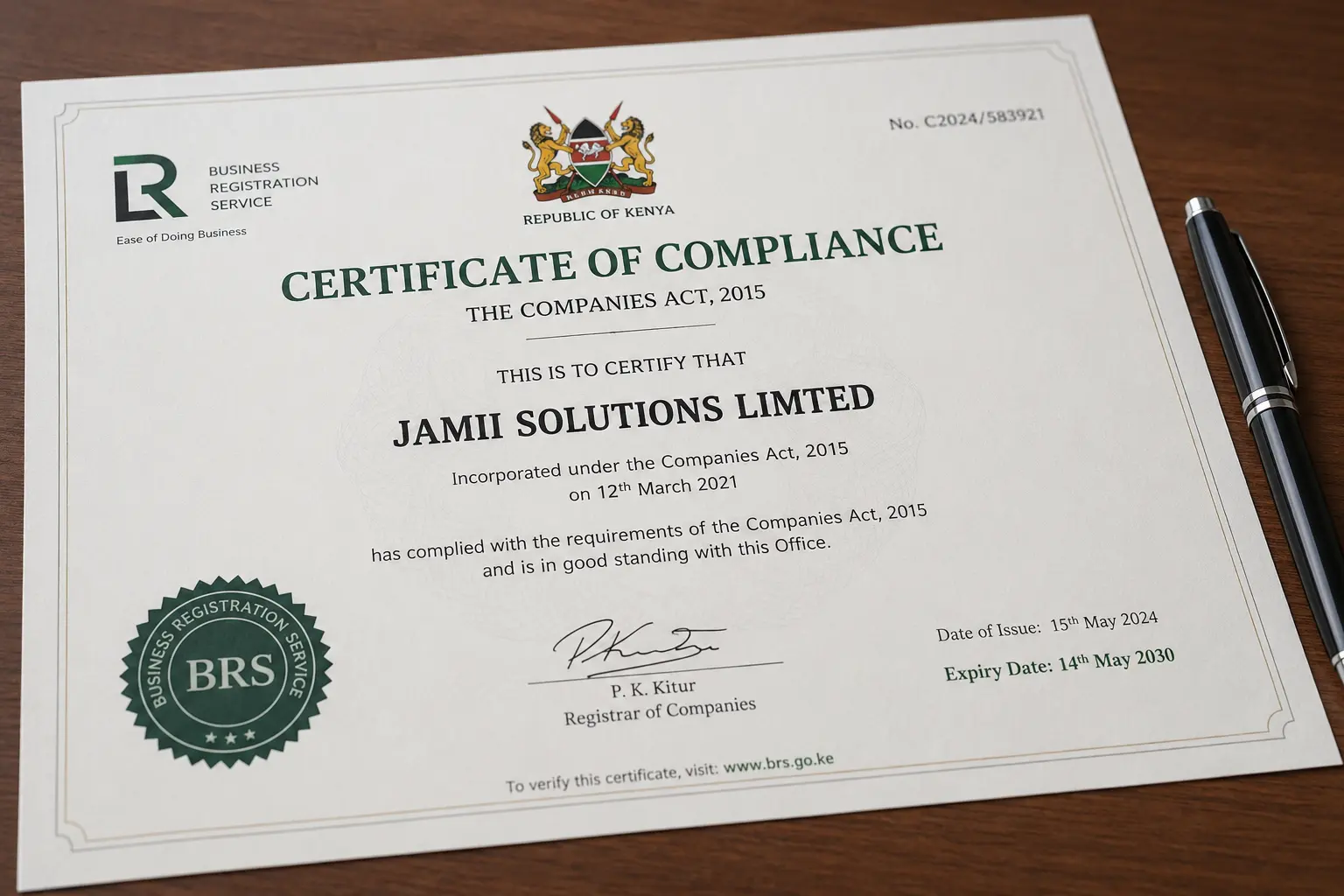
Most electronics imported into Kenya require a Certificate of Conformity issued through the KEBS Pre-Export Verification of Conformity (PVoC) programme. The CoC confirms that your goods meet Kenya Bureau of Standards safety and performance requirements before they leave China.
When a valid CoC is issued before export, destination inspection in Kenya is not required by default. This matters because destination inspection adds cost, time, and uncertainty to your clearance process.
KEBS Import Standardization Mark (ISM)
Electronics intended for retail sale in Kenya also require the KEBS Import Standardization Mark. This is applied to products that meet the applicable Kenya Standard (KS) for the product category. Your supplier or the CoC provider can advise on whether your specific product requires an ISM prior to sale.
Communications Authority of Kenya (CAK) Type Approval
This is the compliance requirement that most guides ignore entirely. Any electronic device that transmits or receives wireless signals requires type approval from the Communications Authority of Kenya (CAK) before it can be legally imported and sold in Kenya.
Products that require CAK type approval include:
- Wi-Fi routers and access points
- Radio communication devices and transceivers
- GSM/LTE wireless equipment
- Bluetooth transmitters intended for standalone sale
- Wireless CCTV and surveillance systems
Standard consumer electronics that do not require CAK approval include laptops (with built-in Wi-Fi used for connectivity, not resale as a network device), televisions, wired accessories, and most household appliances.
Used Electronics
KEBS applies stricter inspection requirements to used electrical goods, including age limits and additional testing. Importing used electronics from China commercially is difficult to clear and not recommended for importers who do not have specific experience with this category.
How to Source Electronics in China
Where you source electronics determines your price floor, and most guides send Kenya importers to the wrong place. Alibaba is optimised for international buyers and prices reflect that. The platforms where competitive electronics prices actually live are Pinduoduo and 1688, both domestic Chinese marketplaces where factory and wholesale prices are quoted in RMB for Chinese buyers.
Pinduoduo (Primary)
Pinduoduo is the highest-volume domestic marketplace in China and where the sharpest electronics prices are found. It operates on a group-buying model that drives suppliers to compete aggressively on price. For phone accessories, small appliances, and consumer electronics, Pinduoduo consistently returns lower prices than equivalent listings on international-facing platforms.
1688
1688 is Alibaba’s domestic wholesale platform, not the international version. It is structured for bulk orders and factory-direct buying. For electronics importers looking to buy in larger quantities, 1688 gives direct access to manufacturers and their MOQ pricing.
What to Verify Before Ordering
Electronics fraud and quality issues are more common in this category than most others. Before placing an order, verify:
- Whether the supplier can provide a CoC from Cotecna or Intertek for your product
- Whether the product has the correct voltage specification for Kenya (220-240V, 50Hz)
- That plug type is correct or adaptable for the Kenyan market
- That IMEI numbers are present and registrable for any mobile devices
- That products are new, not refurbished, unless you have specifically ordered refurbished stock
Always request a sample order before committing to bulk quantity. For electronics, a sample lets you verify voltage, build quality, packaging, and whether the CoC is obtainable for that specific product model before your capital is at risk. For a full pre-shipment and on-arrival inspection framework, see our quality control guide for Kenya importers.
Shipping Electronics from China to Kenya
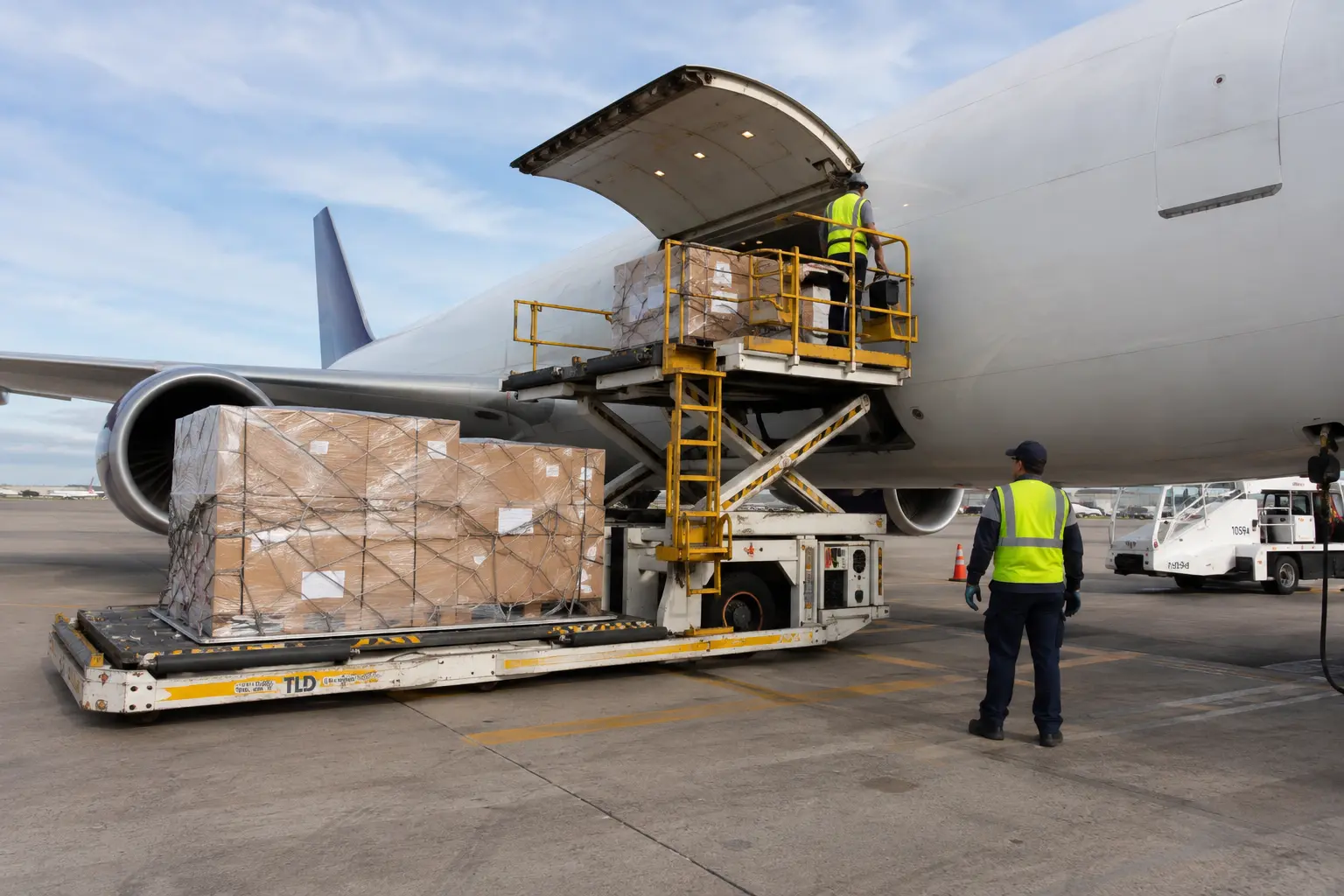
Electronics present a specific consideration when choosing between air and sea freight: value density. High-value, low-volume electronics (phones, laptops, accessories) are typically better suited to air freight. Bulky, lower-value electronics (televisions, appliances) are better suited to sea freight where the per-CBM rate is lower.
| Factor | Air Freight | Sea Freight |
|---|---|---|
| Rate (all-in) | 1,700 ksh/kg (standard); 3,500 ksh/kg (phones) | 65,000 ksh/CBM |
| Transit time | 5-10 days to JKIA | 25-35 days to Mombasa |
| Best suited for | High-value, low-weight items (accessories, laptops) | Bulky items (TVs, appliances, bulk accessories) |
| Minimum | 1 kg | 0.1 CBM |
Note that phones attract a separate air freight rate of 3,500 ksh/kg due to their lithium battery content and associated handling requirements. This is a real cost difference that affects landed cost for phone imports significantly and should be calculated before ordering.
Full Landed Cost Example: Laptop Accessories by Sea Freight
The example below walks through a real landed cost calculation for a 1 CBM sea freight shipment of laptop accessories, one of the stronger electronics subcategories for Kenya importers due to consistent demand and no excise duty.
Shipment details: 200 units of laptop accessories (sleeves, stands, cables). FOB value: 50,000 ksh. Shipped as 1 CBM via sea freight.
| Cost Component | Going Solo | With Pamoja |
|---|---|---|
| Product cost (FOB) | 50,000 ksh | 50,000 ksh |
| Sea freight | ~45,000 ksh | 65,000 ksh (all-in: freight, duty, VAT, IDF, RDL, clearance, delivery) |
| Import duty (25% of CIF) | 23,750 ksh | |
| VAT (16% of CIF + duty) | 19,000 ksh | |
| IDF (2.5% of CIF) | 2,375 ksh | |
| RDL (2% of CIF) | 1,900 ksh | |
| Customs agent fee | ~8,000 ksh | |
| Total landed cost | ~150,025 ksh | 115,000 ksh |
| Cost per unit (200 units) | ~750 ksh | 575 ksh |
The Pamoja all-in rate of 65,000 ksh/CBM covers sea freight, import duty, VAT, IDF, RDL, customs clearance, and Nairobi delivery. You pay one number. Going solo means coordinating each of those components separately and paying a clearing agent on top, which typically adds cost and complexity without a meaningful price advantage.
Pamoja Imports: Electronics Sourcing from China to Kenya
We source electronics from Pinduoduo and 1688 on your behalf, negotiate directly with suppliers in Mandarin, arrange freight (air or sea), and handle all customs clearance. Our all-in rate covers import duty, VAT, IDF, RDL, and Nairobi delivery with no hidden fees.
- Source from domestic Chinese platforms, not Alibaba
- CoC coordination with approved PVoC agents (Cotecna and Intertek)
- Air freight at 1,700 ksh/kg or sea freight at 65,000 ksh/CBM, all-in
- Minimum order 30,000 ksh excluding shipping. First 10 sourcing requests free.
Common Mistakes Kenya Importers Make with Electronics
Using the wrong duty rate in their landed cost
Applying a flat 25% rate to all electronics is the most common error. Laptops are 0%, accessories are 10%, TVs are 25%, phones are 35% plus excise. Calculate the correct rate for your specific HS code before any other number.
Fix: Verify your HS code before orderingNot confirming CoC availability before ordering in bulk
A supplier may be able to supply the product but unable to obtain a Certificate of Conformity for it. Discovering this after paying for goods means either shipping without CoC (risking destination inspection delays) or writing off the order.
Fix: Confirm CoC before bulk paymentIgnoring CAK requirements for wireless devices
Wi-Fi routers, wireless cameras, and radio communication equipment require CAK type approval. Importers who are not aware of this requirement have had shipments held or seized at customs.
Fix: Check CAK requirements for any wireless productSourcing phones without accounting for excise duty
The 10% excise duty on top of 35% import duty is frequently omitted from phone landed cost calculations. This mistake has ended phone import businesses before they started. Our phones import guide walks through the full cost structure.
Fix: Include excise in all phone calculationsUsing air freight for bulky, low-value electronics
A 30 kg television set shipped by air at 1,700 ksh/kg costs 51,000 ksh in freight alone. The same item via sea freight costs a fraction of that. Freight method must be matched to the value-to-weight ratio of the product.
Fix: Calculate break-even weight before choosing freight methodArriving at the port without complete documentation
Missing or mismatched documents at Mombasa or JKIA trigger holds and demurrage charges that start accumulating from the day your shipment docks. The most common gaps are a commercial invoice that does not match the packing list, a missing CoC, or an IDF not filed before arrival. Our Kenya customs clearance guide covers every document required and the clearance process step by step.
Fix: Prepare all documents before goods ship
Frequently Asked Questions
For more answers on importing from China to Kenya, see our full China to Kenya import FAQ page.
Import duty varies by subcategory. Laptops and computers attract 0% duty. Televisions and general consumer electronics attract 25%. Mobile phones attract 35% import duty plus a 10% excise duty. All imports also pay VAT at 16%, IDF at 2.5%, and RDL at 2%, calculated on the CIF value.
Yes. Most electronics require a Certificate of Conformity (CoC) issued by an approved Pre-Export Verification of Conformity (PVoC) provider before shipment. As of February 2026, Cotecna and Intertek are the authorised PVoC agents for China shipments. A valid CoC means goods do not require destination inspection in Kenya.
Only if your products include wireless or telecommunications functionality. Devices such as Wi-Fi routers, radio communication equipment, and wireless transmitters require type approval from the Communications Authority of Kenya (CAK) before they can be sold in Kenya. Standard consumer electronics like laptops, televisions, and non-wireless accessories do not require CAK approval.
Yes, for the right categories. Laptops carry 0% import duty and strong demand from students and SMEs. Phone accessories and small consumer electronics have low duty rates and healthy retail margins. Mobile phones are more complex due to the combined 35% duty plus 10% excise, which compresses margins significantly.
Sea freight from China to Mombasa takes 25 to 35 days in transit, plus 5 to 10 days for customs clearance. Air freight to JKIA takes 5 to 10 days. Total lead time is typically 35 to 55 days by sea and 15 to 25 days by air.
Used electronics face additional restrictions. KEBS applies age limits and stricter inspection criteria to used electrical goods. In practice, importing used electronics from China commercially is difficult to clear and not recommended for new importers.
Ready to Import Electronics from China?
We handle sourcing, compliance, freight, and customs clearance end to end. Submit a source request and we will get back to you with pricing.
Submit a Source Request
Jonatan Sirak sirak.se
Founder of Pamoja Imports, a Kenya-China import agency with an operations team based in Chengdu, China. With several years of hands-on experience facilitating shipments across electronics, solar equipment, construction materials, and consumer goods, he helps Kenyan entrepreneurs source and import products profitably. He splits his time between Nairobi and Chengdu.