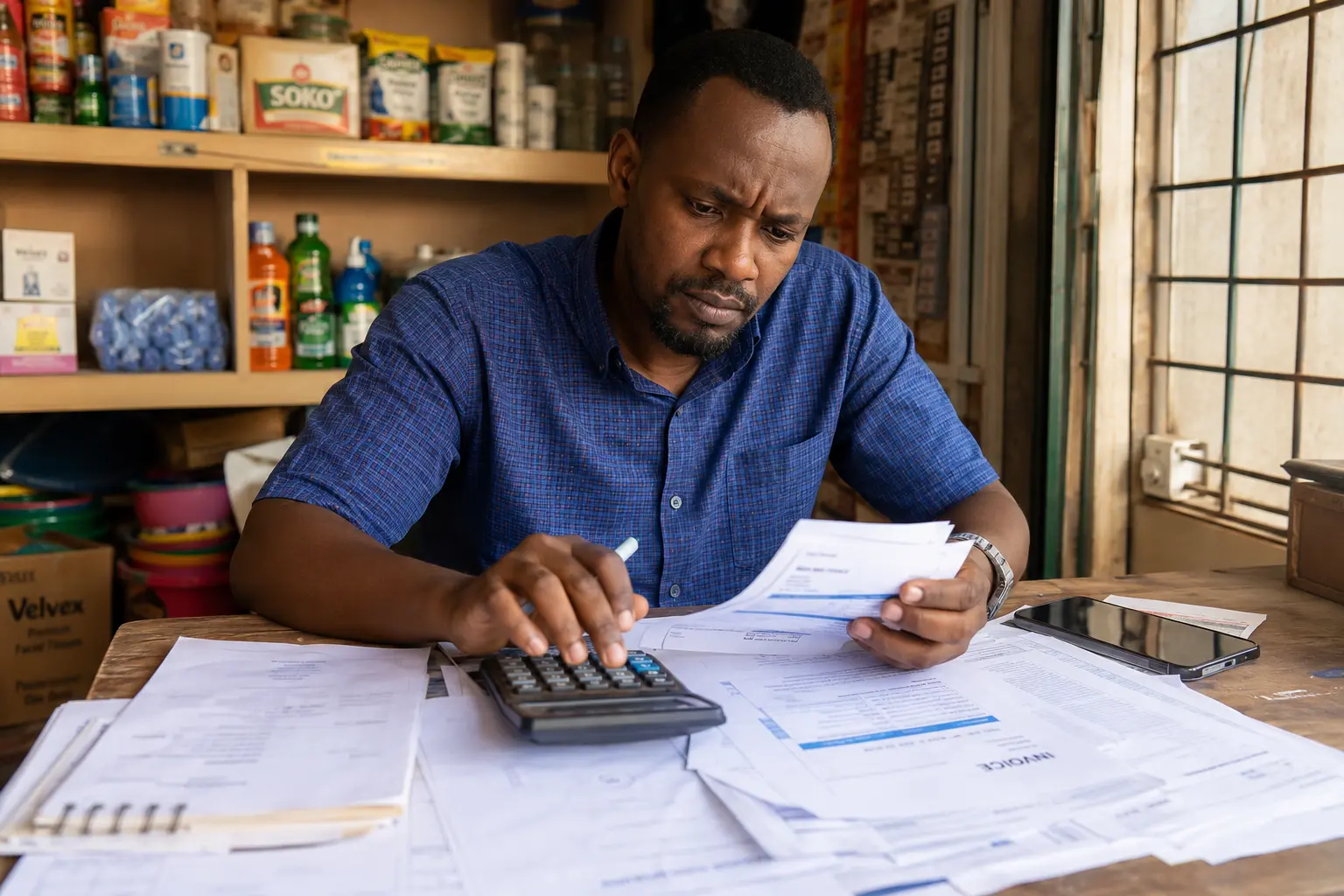

How to Start an Import Business in Kenya in 2026

Knowing how to start an import business in Kenya in 2026 comes down to four things: a product with proven local demand, a KRA PIN and basic business registration, a verified Chinese supplier, and enough capital cover your first order including duties and freight. Before you hire anyone to help with sourcing or shipping, read our sourcing agent vs freight forwarder guide so you know exactly what service you need. The minimum realistic starting capital is 50,000 to 100,000 ksh. You do not need to travel to China, you do not need a special import license for most goods, and you do not need to be a large company. Most successful Kenya importers started with a single small air freight order and scaled from there. Before you place your first order, also read the 10 most common mistakes Kenya importers make from China so you know what to avoid from day one.
Most guides on this topic start with business registration steps and end with vague advice about “building supplier relationships.” That is the wrong starting point. Registration takes two days and costs under 10,000 ksh. The hard part is everything else: picking the right product, figuring out what it will actually cost landed in Nairobi, finding a supplier who will not disappear after payment, and making the numbers work.
We have helped hundreds of Kenyan entrepreneurs place their first China order. The ones who succeed share a common pattern. The ones who lose money share a different one. This guide on how to start an import business in Kenya is built on that experience, with real ksh figures and no fluff. For the complete step-by-step import process from start to finish, see our complete guide on how to import from China to Kenya.
The Reality of Starting an Import Business in Kenya in 2026
Before anything else, let us be honest about what it actually looks like to start an import business in Kenya.
- Products with proven local demand and a clear sales channel
- Small first orders to test the market before scaling
- Calculating full landed cost before placing any order
- Verified suppliers with transaction history and sample orders
- Ordering a product before validating demand in the market
- Committing to large quantities before testing a small order
- Ignoring import duty and freight when calculating margins
- Using unvetted suppliers with no track record or samples
Step 1: Choose the Right Product
Product selection is the most important decision you make when you learn how to start an import business in Kenya. Everything else, supplier, shipping, pricing, follows from it.
The validation framework
A good import product for a Kenya SME importer meets all four of these criteria:
- Already selling in Kenya. You want proof of demand, not a bet on it. If the product is already on sale in Nairobi shops, on Jumia, or in Eastleigh, demand is proven. Your job is to source it cheaper and sell it better.
- Significant price gap between China and Kenya. Check the China factory price on 1688.com or Pinduoduo. Compare it to what the same or similar product sells for in Kenya after duty and freight. The gap needs to be wide enough to cover your costs and leave margin.
- Low to moderate import duty. Some categories like phones (35% duty + 10% excise) and some electronics are taxed heavily. Others like clothing (25% duty), accessories (25%), and general merchandise (25%) are more manageable. Check the duty rate before you fall in love with a product. Our Kenya import duty guide has the full breakdown.
- You have a clear channel to sell it. Who are you selling to and how? Instagram, a physical shop, Jumia, word of mouth, existing customers? If you cannot answer this before you order, do not order.
Categories that consistently work for Kenya SME importers
| Category | Import Duty | Typical Margin | Why It Works |
|---|---|---|---|
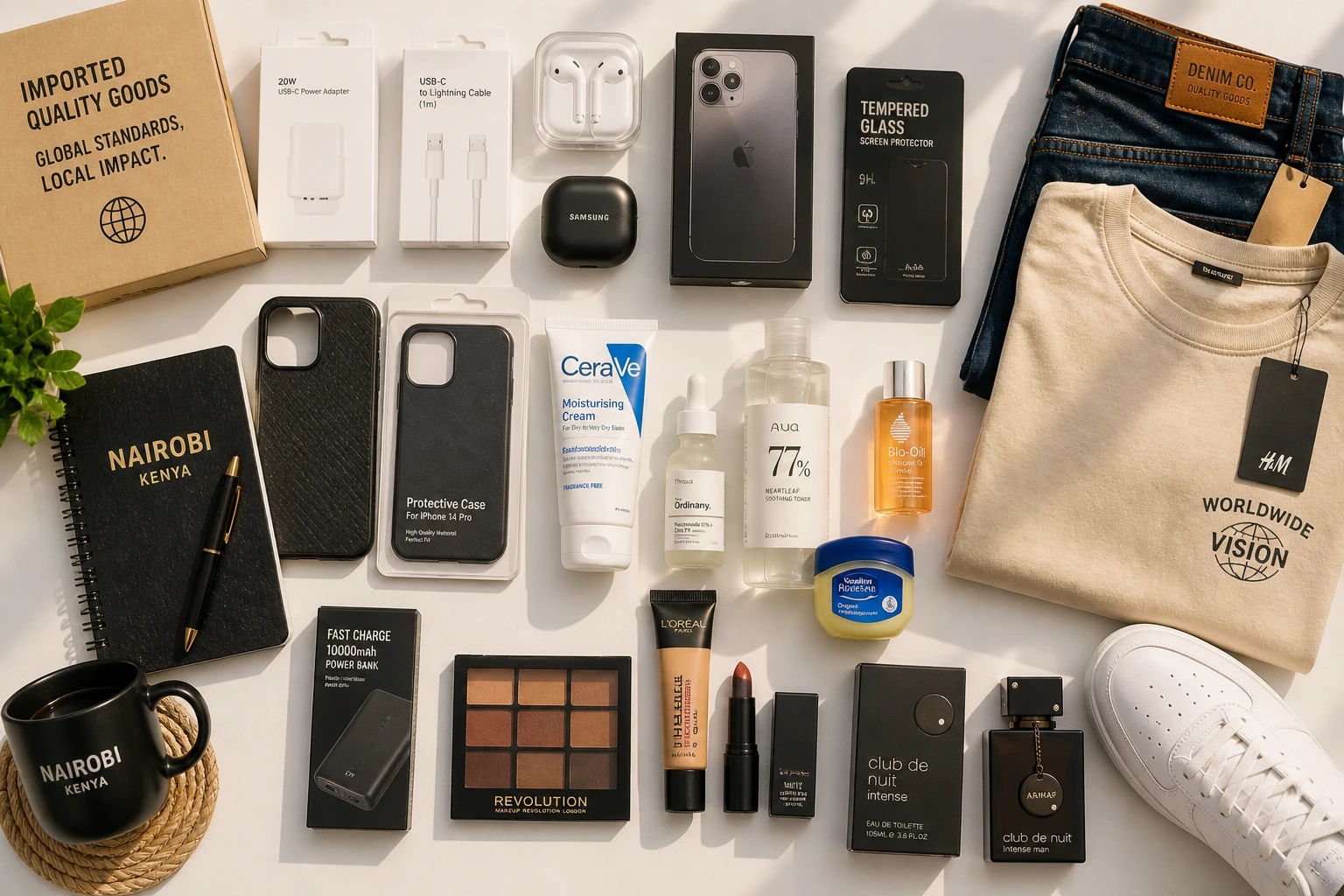
| Phone accessories | 25% | 50–80% | High turnover, compact, ships well by air, always in demand |
| Clothing and fashion | 25% | 35–55% | Wide market, strong social media sales channel |
| Bags and luggage | 25% | 40–55% | Good margins, low breakage risk, visual product sells well online |
| Beauty and hair products | 25% | 45–60% | Repeat purchase, strong demand, loyal customer base |
| Household goods | 25% | 30–50% | Consistent demand, sea freight works well for bulk |
| Solar equipment | 0% | 25–40% | Zero import duty makes margins strong, growing rural demand |
| Construction hardware | 25% | 25–40% | Steady B2B demand, sea freight is efficient for heavy goods |
Margins are estimates based on typical China-to-Kenya landed cost vs. Nairobi retail pricing. Actual margins depend on your specific supplier price and sales channel. See our most profitable items guide for a deeper breakdown.
Products to approach with caution
- Branded or logo clothing and bags. Pinduoduo and Taobao are full of items carrying Nike, Gucci, Louis Vuitton and other brand logos. Importing counterfeit branded goods into Kenya risks seizure at customs and legal consequences. Stick to unbranded or own-label products.
- Electronics with KEBS certification requirements. Certain electronics require Kenya Bureau of Standards type approval before they can be sold in Kenya. Importing without this risks seizure at customs.
- Phones. Heavy duty burden (35% + 10% excise) and IMEI compliance requirements make this a harder category for beginners. See our guide on importing phones.
- Food products. Require KEBS certification and food safety compliance. Significant documentation burden for a first import business.
- Generic products with no differentiation. If what you are selling is identical to what everyone else in Eastleigh is selling, your only competitive lever is price. That is a hard fight.
Step 2: Register Your Business
Registration is not where your import business starts or fails. You do not need it before your first order, but you will need a KRA PIN before any goods can be cleared at Mombasa or JKIA, and a business name before you start operating at scale. Here is what you actually need and what it costs.
What you actually need
| Requirement | How to Get It | Cost | Time |
|---|---|---|---|
| KRA PIN | KRA iTax portal (itax.kra.go.ke) | Free | Same day |
| Business name registration | eCitizen BRS portal | Approx. 950 ksh | 2–5 days |
| Business permit | County government (Nairobi City County) | Varies by business type | 1–3 days |
| Private limited company (optional) | eCitizen BRS portal | Approx. 10,650 ksh | 3–5 days |
For most beginners, a sole proprietorship registered as a business name is sufficient to start. You can upgrade to a private limited company later as the business grows. The KRA PIN is the one non-negotiable item you need before any goods can be cleared at Mombasa or JKIA.
Step 3: Find and Vet a Chinese Supplier
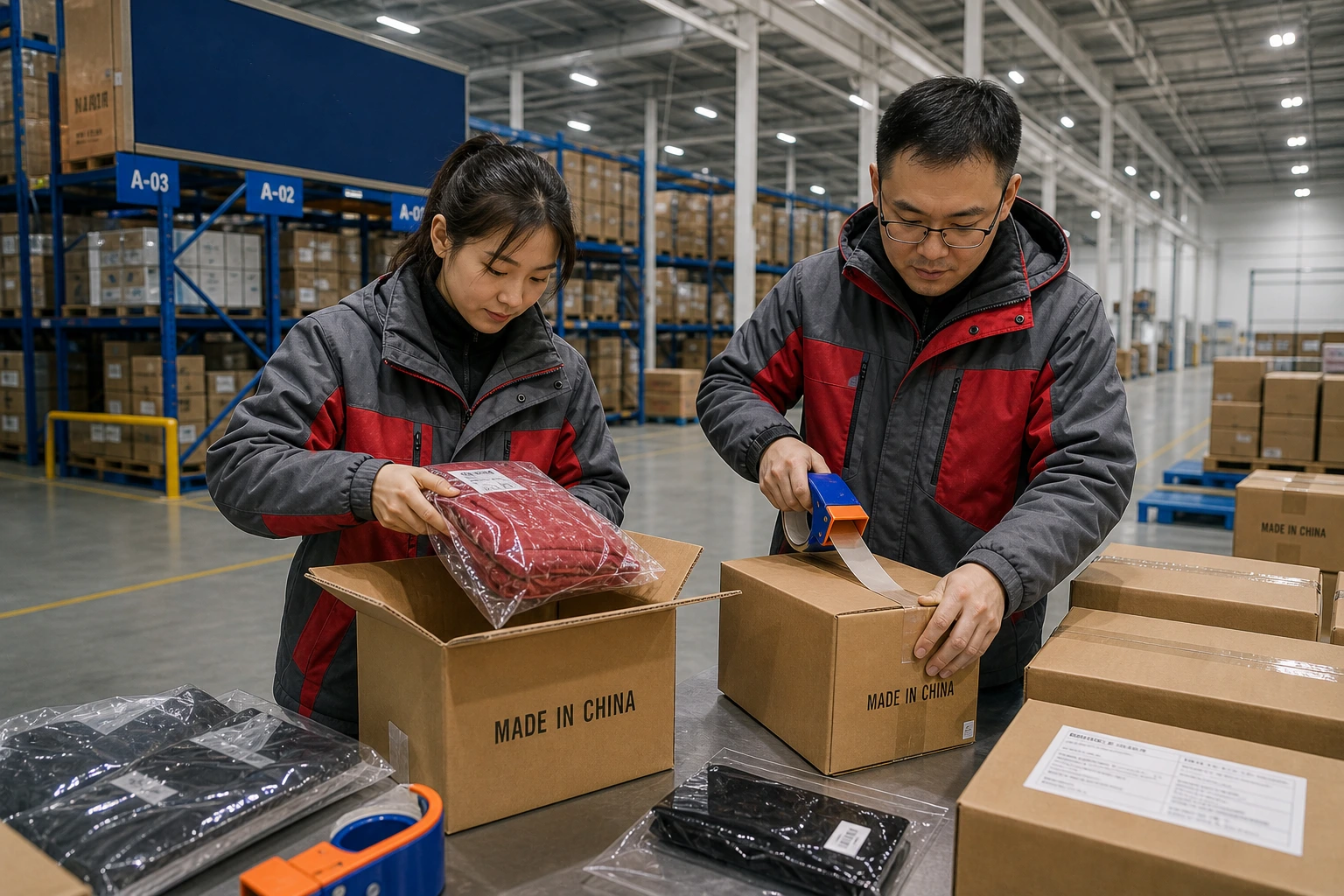
This is where most beginners make expensive mistakes. The supplier you choose determines product quality, lead times, and whether your goods arrive as described. Getting this wrong is costly.
Where to source
For Kenya importers working with Pamoja Imports, we primarily source from three platforms:
- Pinduoduo (primary). The best prices in China, especially for consumer goods. Chinese-language platform but our team navigates it on your behalf.
- 1688.com. Alibaba’s domestic wholesale platform. Better prices than Alibaba international, strong supplier density. Also Chinese-language.
- Taobao. Good for fashion, accessories, and trending consumer products. Wider selection for smaller quantities.
Alibaba.com (the international version) has higher prices because suppliers factor in the cost of international marketing. For the best prices, source from domestic Chinese platforms. Our Alibaba vs 1688 guide covers the trade-offs in detail.
How to vet a supplier
Before you send any money, verify these five things:
- Business license verification. Check the supplier’s business registration on China’s NECIPS database at gsxt.gov.cn. A legitimate factory or trading company will have a verifiable business scope that matches what they are selling you.
- Order a sample. Always. No exceptions. A sample costs a fraction of a bulk order and tells you everything: product quality, packaging, actual specifications versus what was described, and how the supplier communicates problems.
- Transaction history. On 1688 and Pinduoduo, suppliers have visible sales history and ratings. Prioritise suppliers with substantial transaction volume and high ratings over those with the lowest prices but no track record.
- Video call or factory visit. For orders above 200,000 ksh, a video call with the supplier showing their facility adds significant confidence. Our Chengdu team can visit factories on your behalf for large orders.
- Payment terms. Legitimate suppliers accept T/T bank transfer or Alibaba Trade Assurance. Anyone demanding Western Union or personal payment apps for a first order is a red flag.
For the complete supplier vetting process, see our guide on finding reliable Chinese suppliers. Once you have found and vetted a supplier, our How to Negotiate with Chinese Suppliers: A Kenya Importer’s Guide 2026 covers exactly how to get a better price and lower MOQ. When you are ready to pay, see our How to Pay Chinese Suppliers: Payment Methods for Kenya Importers 2026. Before placing any order, our Quality Control for China Imports: Kenya Importer’s Guide 2026 covers how to protect yourself against substandard goods at every stage.
Step 4: Calculate Your Full Landed Cost
This is the step most beginners skip, and it is the one that causes the most financial pain. Your landed cost is not the price your supplier quoted you. It is the total cost to get the goods into your hands in Nairobi, ready to sell.
The landed cost formula
Every import from China to Kenya involves these charges, whether you see them or not:
Landed Cost Breakdown: 50,000 ksh Clothing Order
Example: 50,000 ksh FOB value of clothing, 15kg, 0.08 CBM packed. Comparing air vs sea freight all-in with Pamoja.
For a 50,000 ksh clothing order at 15kg and 0.08 CBM, sea freight is clearly cheaper despite the minimum CBM charge. But if you need to test the market quickly and cannot wait 40 days, air freight is the right trade-off. The point is to run these numbers for your specific product before you decide, not assume one method is always better. With Pamoja’s all-in rate, both figures cover everything: international freight, import duty, VAT, IDF, RDL, and customs clearance. No additional invoices at the port.
Before placing any order, run the numbers using our shipping calculator and verify that your retail margin works after the full landed cost.
The margin check
A quick way to sense-check any product: if your retail price in Nairobi is not at least 2x your total landed cost, the margin is probably too thin to absorb selling costs, returns, and slow stock. Here are realistic examples based on current market prices in Nairobi. To model your exact product, use our Profit Calculator: enter your China price and it calculates your full landed cost and margin automatically.
| Scenario | Landed Cost/Unit | Retail Price | Gross Margin | Verdict |
|---|---|---|---|---|
| Phone accessories | 350 ksh | 1,500 ksh | 77% | Strong |
| Clothing (mid-range) | 1,200 ksh | 2,500 ksh | 52% | Strong |
| Beauty products | 800 ksh | 1,800 ksh | 56% | Strong |
| Household goods | 600 ksh | 1,100 ksh | 45% | Good |
Step 5: Place Your First Order the Right Way
Your first order is a market test. This is true for anyone learning how to start an import business in Kenya. Treat it accordingly.
Start small and pick the right shipping method
Your first order is a market test, not a full launch. Keep the goods value between 30,000 and 100,000 ksh so you are not over-exposed if the product moves slower than expected. For the shipping method, run the numbers before you decide: compact and lightweight goods like phone accessories or clothing typically ship cheaper by air at 1,700 ksh/kg. Heavy or bulky goods like household items or solar panels often cost less by sea at 65,000 ksh/CBM, even at small volumes. Use our shipping calculator to compare both options for your specific order before committing.
Min. 30,000 ksh goods value Air: 7–14 days | Sea: 30–35 daysSet your minimum order quantity strategically
Most Chinese suppliers have a minimum order quantity (MOQ). For a first test order, negotiate the MOQ down or find suppliers who accept smaller quantities. It is better to pay a slightly higher unit price on a small test order than to be locked into 500 units of a product you have not yet sold. On 1688 and Pinduoduo, many suppliers accept small MOQs for new buyers.
Use escrow or verified payment methods
For your first order with any supplier, use Alibaba Trade Assurance or a bank T/T transfer to a verified business account. Never pay via personal WeChat Pay or Western Union for a first transaction with an unverified supplier. Pamoja clients benefit from our established supplier relationships, which reduces payment risk significantly.
Request pre-shipment photos or inspection
Before your goods leave China, ask your supplier for photos or video of the packed goods. For orders above 100,000 ksh, a pre-shipment inspection by an independent inspector or by our Chengdu team is worth the cost. Finding a problem before shipment is far cheaper than dealing with it after your goods arrive in Nairobi.
Scale sea freight after proof of concept
Once your first order has sold, you have real market data: the price point that works, the product variation customers prefer, and the volume you can move in a month. Use that data to scale up your next order and reassess your shipping method. If you started on air freight and the volume now justifies sea, switch to 65,000 ksh/CBM all-in and watch your per-unit cost drop significantly. If you are already on sea freight, scale your CBM. See our sea vs air freight guide to understand when each method makes financial sense for your product.
Air: 1,700 ksh/kg | Sea: 65,000 ksh/CBM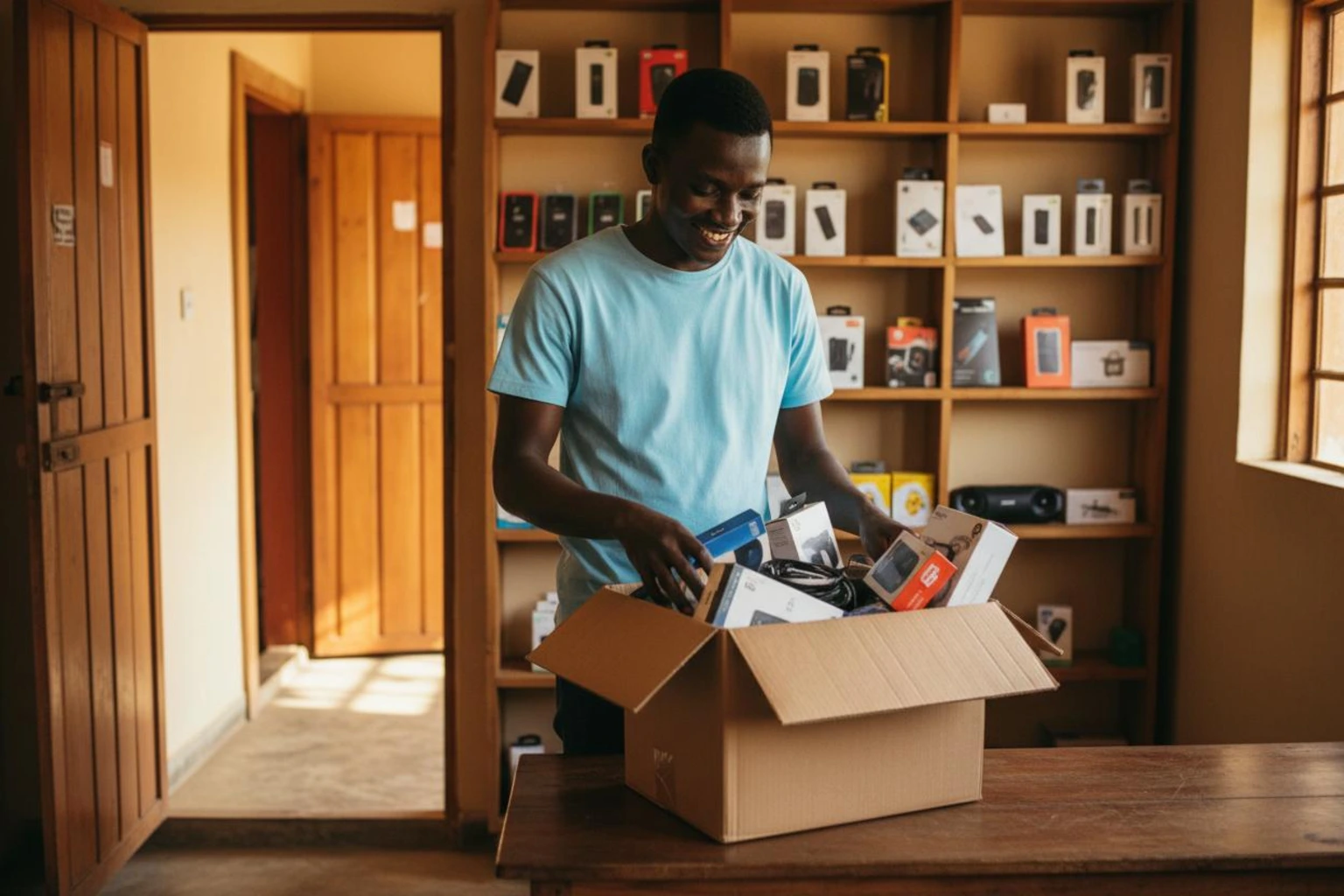
5 Mistakes That Kill New Importers
These are the most common reasons new importers fail when they try to start an import business in Kenya. All of them are avoidable.
Ordering without calculating the full landed cost first
The most common and most expensive mistake. A product that looks profitable based on the supplier’s quote can easily become unprofitable once import duty, VAT, IDF, RDL, and freight are added. Always calculate the total landed cost before you place an order. Use our shipping calculator before committing to any product.
Using a freight-only agent and discovering hidden costs at the port
Some clearing agents quote only the freight component. Import duty, VAT, IDF, RDL, and clearing fees appear as separate invoices when your goods arrive. On a 200,000 ksh goods order, these extras can easily total 80,000 to 150,000 ksh depending on the product category. An all-in rate like Pamoja’s eliminates this surprise. See our shipping agent guide for what to ask before hiring anyone.
Skipping the sample order
A supplier’s product photos are always better than the actual product. This is not unique to China, but the distance and language barrier make it harder to resolve problems after the fact. A 5,000 ksh sample order can save you a 200,000 ksh mistake. Always sample before bulk ordering with any new supplier.
Starting with a product that has no clear sales channel
Many first-time importers choose a product based on what seems popular online without a concrete plan for how they will sell it. Before you order, answer: who is your customer, how will you reach them, and what price will they pay? If you cannot answer all three, keep researching.
Committing to a large first order before testing the market
Committing to a large quantity before you have tested the market is the mistake, regardless of shipping method. A large sea freight order locks up capital for 40 to 50 days and leaves you with no room to pivot if the product does not sell as expected. Start small. Test the market. Use real sales data to decide on the size and shipping method for your next order.
Pamoja Imports handles the China side so you can focus on selling. Whether you are just learning how to start an import business in Kenya or you are already on your second shipment, our process is the same.
Finding suppliers, negotiating prices, inspecting goods, managing freight and customs clearance are the parts of importing that most beginners find hardest. Our team in Chengdu handles all of it on your behalf, and our all-in rate means no surprise costs at the port.
- First 10 sourcing requests free, then 5,000 ksh deposit per order (deducted from order value)
- Minimum goods value 30,000 ksh. Air freight 1,700 ksh/kg, sea freight 65,000 ksh/CBM, all-in
- Chinese-speaking team in Chengdu for supplier vetting and negotiation
- Pre-shipment inspection on request for larger orders
- M-Pesa payment. Escrow available for first-time clients
Frequently Asked Questions
For more answers to common questions about importing from China to Kenya, visit our Kenya import FAQ page.
If you are researching how to start an import business in Kenya, the capital question is always first: 50,000 to 100,000 ksh is a realistic starting range. This covers a small first order of goods (minimum 30,000 ksh goods value with Pamoja), air freight and all-in duties, and basic business registration. The critical point is that you do not need to register a formal company before placing your first order. Many importers start by testing a product before formalising their business.
Most goods do not require a special import license beyond standard business registration and a KRA PIN. Exceptions include pharmaceuticals, food products, electronics requiring KEBS certification, and regulated items. Standard consumer goods like clothing, accessories, household products, and general merchandise can be imported with a KRA PIN and business registration only.
Phone accessories, clothing and fashion accessories, beauty products, and household goods consistently offer strong margins for Kenya importers. The most profitable category for your specific business depends on your sales channel, existing customer base, and ability to move stock. Our guide on the most profitable items to import from China to Kenya covers 10 categories with duty rates and margin estimates.
Air freight from China to Kenya takes 7 to 14 days door to door with Pamoja. Sea freight takes 30 to 35 days from a Chinese port to Mombasa, plus 5 to 10 days for customs clearance and Nairobi delivery. For a first order, air freight is recommended so you can test the market and sell goods quickly before placing a larger sea freight order.
Yes. The majority of Kenyan importers who use Pamoja source entirely remotely. Our Chengdu-based team handles supplier vetting, price negotiation, quality inspection, and shipping logistics on your behalf. You never need to travel to China to run a successful import business in Kenya.
Kenya import taxes include: Import Duty (0% to 35% depending on product category), VAT at 16%, Import Declaration Fee (IDF) at 2.5%, and Railway Development Levy (RDL) at 2%. All are applied to the CIF value of your goods. With Pamoja, all of these are included in our all-in rate so there are no surprise charges at the port. See our Kenya import duty guide for the full breakdown by product category.
A freight forwarder manages the transportation of your goods from China to Kenya. A clearing agent is KRA-licensed to handle customs documentation and clearance at Mombasa or JKIA. Many importers need both, which adds cost and coordination complexity. An all-in service like Pamoja handles both under a single rate. For a full explanation see our shipping agent guide.
Ready to Start Your Import Business in Kenya?
Send us a WhatsApp with the product you want to import. We will find verified suppliers, calculate your full landed cost, and tell you whether the numbers make sense before you spend anything.
Chat with us on WhatsApp
Jonatan Sirak sirak.se
Founder of Pamoja Imports, a Kenya-China import agency with an operations team based in Chengdu, China. With several years of hands-on experience facilitating shipments across electronics, solar equipment, construction materials, and consumer goods, he helps Kenyan entrepreneurs source and import products profitably. He splits his time between Nairobi and Chengdu.