
How to Import from China to Kenya: The Complete 2026 Guide
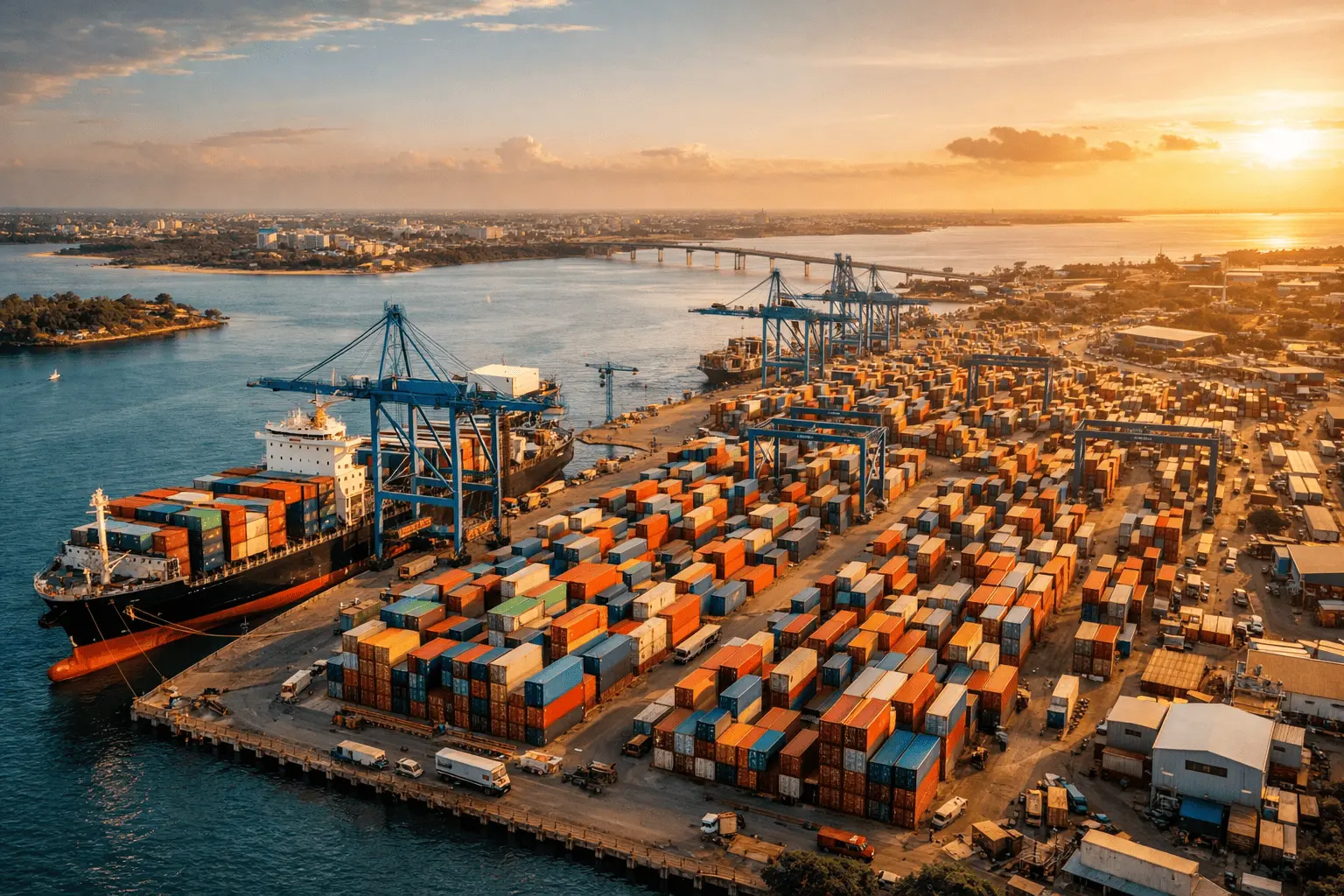
Importing from China to Kenya involves five core steps: identify a compliant product, find a verified supplier, arrange freight, clear customs with KRA, and receive your goods. For a full step-by-step breakdown of the Kenya customs clearance process, see our Kenya Customs Clearance for China Imports: Step-by-Step Guide 2026.
The process typically takes 35 to 55 days via sea freight or 15 to 25 days via air freight. Our guide on Sea Freight vs Air Freight China Kenya 2026: Cost and Time Compared breaks down the cost difference between both methods so you can choose the right one before you order. This guide breaks down every step with current duty rates and cost examples, and shows where most importers get stuck and how Pamoja Imports removes those obstacles entirely. Not sure whether you need a sourcing agent, a freight forwarder, or both? See our sourcing agent vs freight forwarder Kenya guide before you start.
If you are just deciding whether to start, see our How to Start an Import Business in Kenya in 2026 guide before diving into the full process. Before you order anything, it is also worth reading the 10 most common mistakes Kenya importers make from China to avoid the most expensive errors first-time importers make.
Knowing how to import from China to Kenya gives you a real cost advantage over competitors buying locally. China is Kenya’s largest import source by value, a position it has held consistently according to the Kenya National Bureau of Statistics (KNBS). For SMEs and traders, sourcing directly from Chinese manufacturers can cut costs by 30 to 60% compared to buying locally or through intermediaries.
But the process involves real complexity: language barriers, supplier risk, compliance certificates, customs documentation, duty calculations, and freight logistics. Most first-time importers either overpay, get stuck at customs, or lose money on a bad supplier.
Here is what most people do not know: with Pamoja, you can start importing from China with a budget as low as KSH 30,000. No massive capital required. This is precisely what Pamoja Imports is built for. Let us walk you through every step, and show you what each one looks like when you handle it alone versus with Pamoja in your corner.
Step 1: Choose the Right Product to Import
The first step in learning how to import from China to Kenya is making sure your product is viable before you spend a single ksh on samples or supplier contact.
Is it in demand in Kenya?
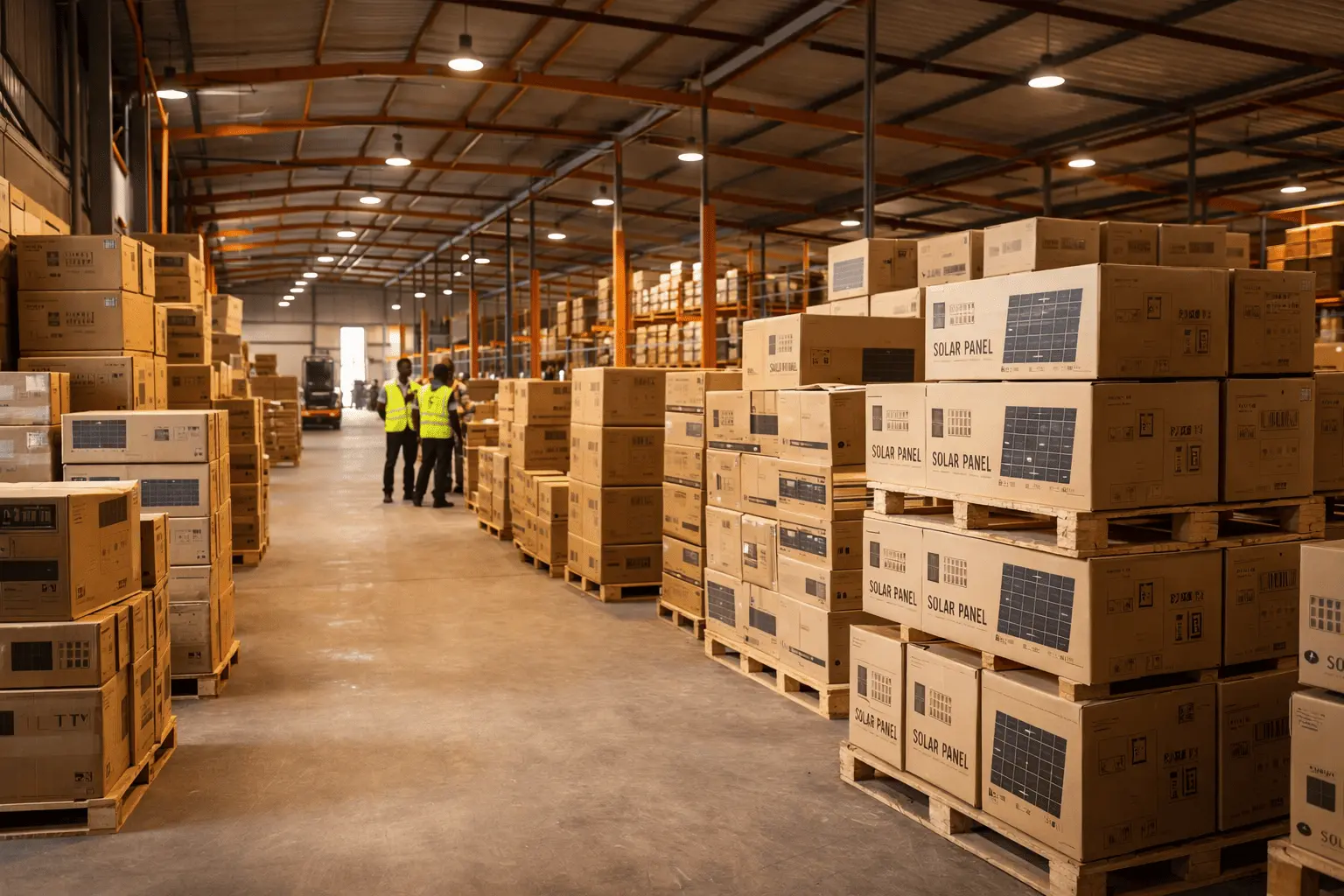
High-performing import categories from China include electronics and accessories, construction materials (tiles, hardware, fittings), household goods and furniture, clothing and footwear, solar energy equipment, and agricultural tools. Consumer electronics and solar equipment have seen the strongest growth over the past three years, driven by Kenya’s expanding middle class and off-grid energy demand. For a full breakdown of the best products to import including duty rates, margins, and compliance requirements, see our most profitable items to import from China to Kenya guide. If clothing is your target category, see our dedicated guide on how to import clothing from China to Kenya.
Is it restricted or banned?
Kenya restricts or prohibits several product categories. Common pain points include used electronics (age limits apply), pharmaceuticals (require Pharmacy and Poisons Board approval), food products (require KEBS pre-export inspection), and agricultural inputs (require KEPHIS approval). Getting this wrong means your shipment is rejected at the border, with no refund on duties already paid. For a full breakdown of compliance requirements, PVoC certification, and what changed this year, see our guide to Kenya import regulations 2026.
Pamoja Imports: You know what you want. We find it for you.
Once you have a product in mind, our team sources it directly from verified Chinese manufacturers, negotiates the price, and arranges everything from factory to your door. Clients start with budgets as low as KSH 30,000.
WhatsApp us your productWhat is the import duty rate?
Kenya uses the East African Community Common External Tariff (EAC CET). Rates vary widely by product. Always verify the HS code on the KRA website before you calculate landed costs.
| Product Category | Typical Import Duty | Additional Levies |
|---|---|---|
| Electronics (phones, laptops) | 0–35%* | 16% VAT, 2.5% IDF, 2% RDL |
| Clothing and textiles | 25–35% | 16% VAT, 2.5% IDF |
| Furniture | 25% | 16% VAT, 2.5% IDF |
| Solar panels and equipment | 0–10% | 16% VAT (some exempt), 2.5% IDF |
| Construction materials | 10–25% | 16% VAT, 2.5% IDF, 2% RDL |
| Agricultural tools | 0–10% | 16% VAT, 2.5% IDF |
IDF = Import Declaration Fee (2.5%). RDL = Railway Development Levy (2%). *Mobile phones attract 35% import duty following EAC Gazette Notice No. 19 of 2025. Always verify your specific HS code on kra.go.ke before calculating costs. For a full breakdown of all charges including VAT, IDF, RDL, and landed cost examples, see our Kenya import duty from China guide. For a dedicated cost and compliance guide for phone imports, see our guide on importing phones from China to Kenya.
Step 2: Find a Reliable Chinese Supplier
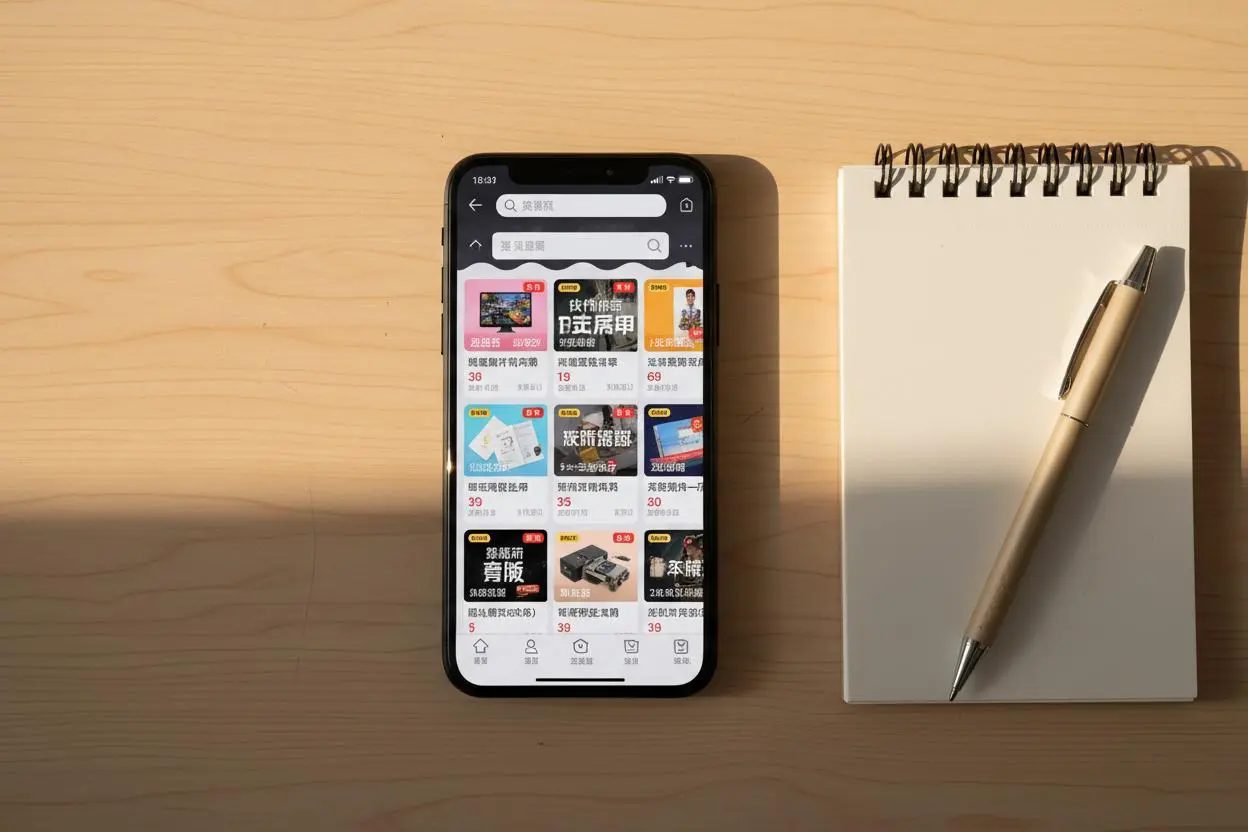
This is the step where most first-time importers lose money. The three main sourcing platforms are Alibaba, 1688.com, and Made-in-China.
| Platform | Best For | Language | MOQ Flexibility | Verification |
|---|---|---|---|---|
| Alibaba.com | New importers, English speakers | English | Medium to high | Gold Supplier, Trade Assurance |
| 1688.com | Experienced buyers, lower prices | Chinese only | Low | Less formal |
| Made-in-China.com | Industrial and B2B products | English | Medium | Verified Supplier badge |
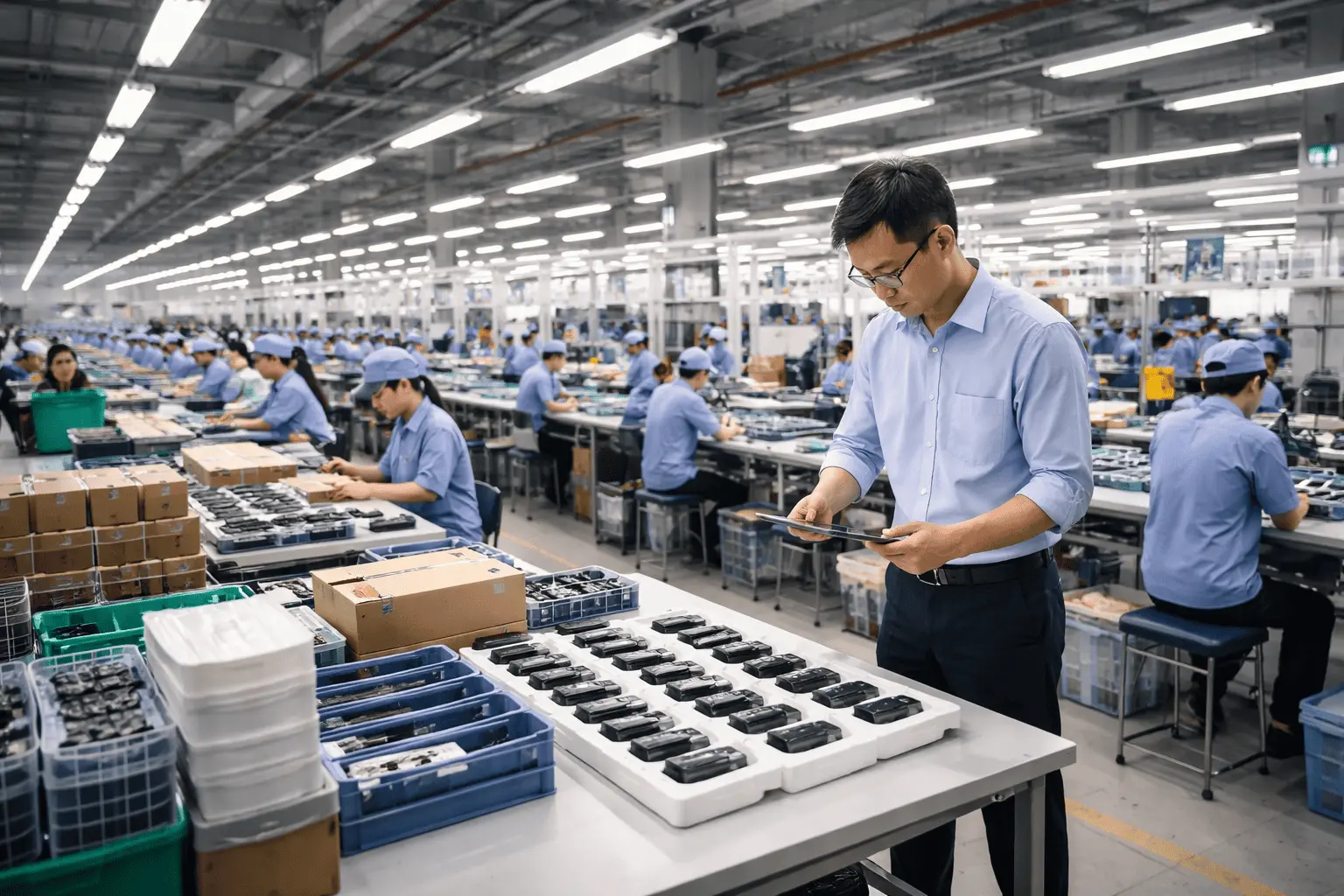
Even on Alibaba, Gold Supplier badges and high review counts are not guarantees. For a full comparison of all sourcing platforms including 1688 and Pinduoduo, see our Alibaba vs 1688 Kenya importer guide. Fraudulent or low-quality suppliers exist on every platform. A thorough vetting process includes requesting factory audit photos, ordering a sample before committing (budget KES 5,000 to 15,000), verifying response times, and confirming the supplier can issue a formal proforma invoice and packing list.
- Spend weeks searching suppliers
- No way to verify factory legitimacy
- Language barriers block negotiation
- Sample delays cost weeks
- No recourse if quality is wrong
- Pre-vetted supplier network ready
- On-the-ground China team verifies
- Mandarin negotiation handled
- Fast sample turnaround through our China office
- We inspect goods before they ship
For a full guide on how to protect yourself against quality problems at every stage of an order, see our Quality Control for China Imports: Kenya Importer’s Guide 2026.
Step 3: Negotiate Your Order and Agree Incoterms
Incoterms and what they mean for your cost
Incoterms define where the supplier’s responsibility ends and yours begins. This choice directly affects what you pay and who controls the freight cost.
| Incoterm | Supplier Responsibility Ends At | Recommended For |
|---|---|---|
| EXW (Ex Works) | Factory gate. You handle everything after. | Experienced importers with their own freight forwarders |
| FOB (Free On Board) | Loaded onto ship at Chinese port | Most common for sea freight. Good balance of control and cost. |
| CIF (Cost, Insurance, Freight) | Arrival at Mombasa port | Convenient, but the supplier controls and marks up freight costs |
| DDP (Delivered Duty Paid) | Your door in Kenya | Maximum convenience, highest total cost |
FOB is the recommended starting point for most Kenya importers. It gives you control over the freight leg, where a local forwarder can save you significant money compared to using the supplier’s preferred shipper.
Minimum Order Quantities (MOQ)
Chinese factories set MOQs to protect their production economics. Typical MOQs on Alibaba range from 50 to 500 units. For a first order, push for the lowest possible MOQ even if the unit price is slightly higher. Validating the product and the supplier before scaling is worth more than the unit cost savings.
Step 4: Arrange Freight
Choosing the right freight method is one of the biggest cost decisions in how to import from China to Kenya successfully.
| Factor | Sea Freight (FCL/LCL) | Air Freight |
|---|---|---|
| Transit time | 25–35 days (Shanghai to Mombasa) | 7–14 days |
| Rate | KSH 65,000 per CBM (LCL) | KSH 1,700 per kg |
| Example cost | 1.5 CBM = KSH 97,500 | 50 kg = KSH 85,000 |
| Best for | Heavy, bulky goods; large volumes | Urgent, lightweight, or high-value goods |
| Port of entry | Port of Mombasa | JKIA, Nairobi |
| Minimum | 0.1 CBM (with Pamoja) / 1 CBM (LCL) / 20ft container (FCL) | 1 kg (with Pamoja) |
For bulky shipments, sea freight at KSH 65,000 per CBM is almost always more economical. Air freight at KSH 1,700 per kg makes sense for lightweight goods, urgent restocks, or high-value items where speed justifies the cost. Use the Pamoja Shipping Calculator to compare the exact cost for your shipment in seconds. You share container space with other importers and pay only for the cubic metres your cargo occupies.
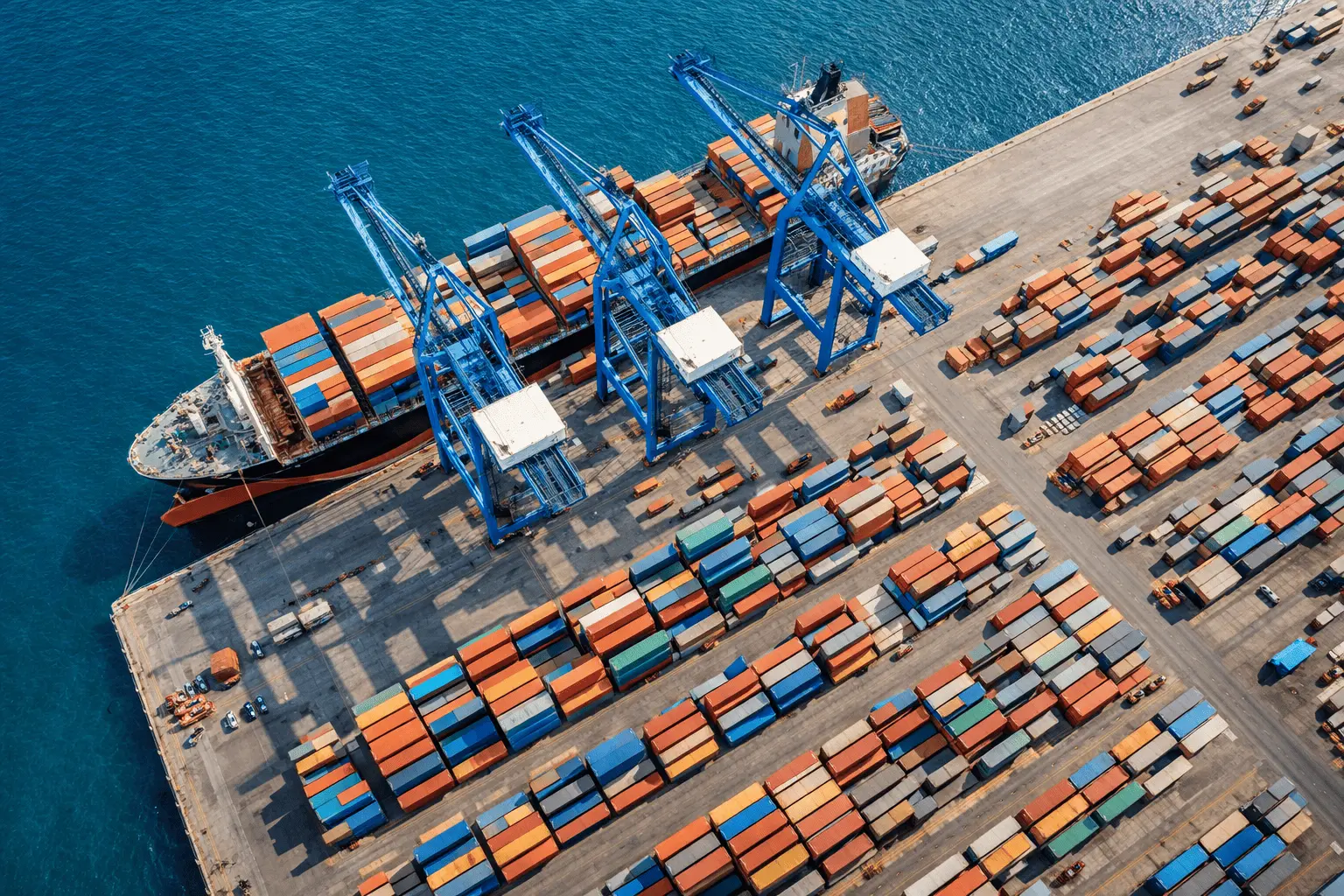
A licensed freight forwarder handles booking, documentation, and customs on your behalf. Attempting to self-clear goods at Mombasa without a KRA-licensed clearing agent is not permitted. For independent importers, forwarder fees typically add KSH 19,500 to 52,000 per shipment on top of freight costs. With Pamoja, customs clearance is included in the shipping rate, so there is no separate forwarder fee to budget for. If you already have a supplier in China and only need the freight and clearance handled, see how our shipping-only service works.
To find and verify suppliers once you know what to import, see our how to find reliable Chinese suppliers guide. Not sure how to evaluate shipping agents? Read our guide on how to find the best shipping agent from China to Kenya.
Step 5: Kenya Customs Clearance When You Import from China to Kenya
Documents required at Mombasa
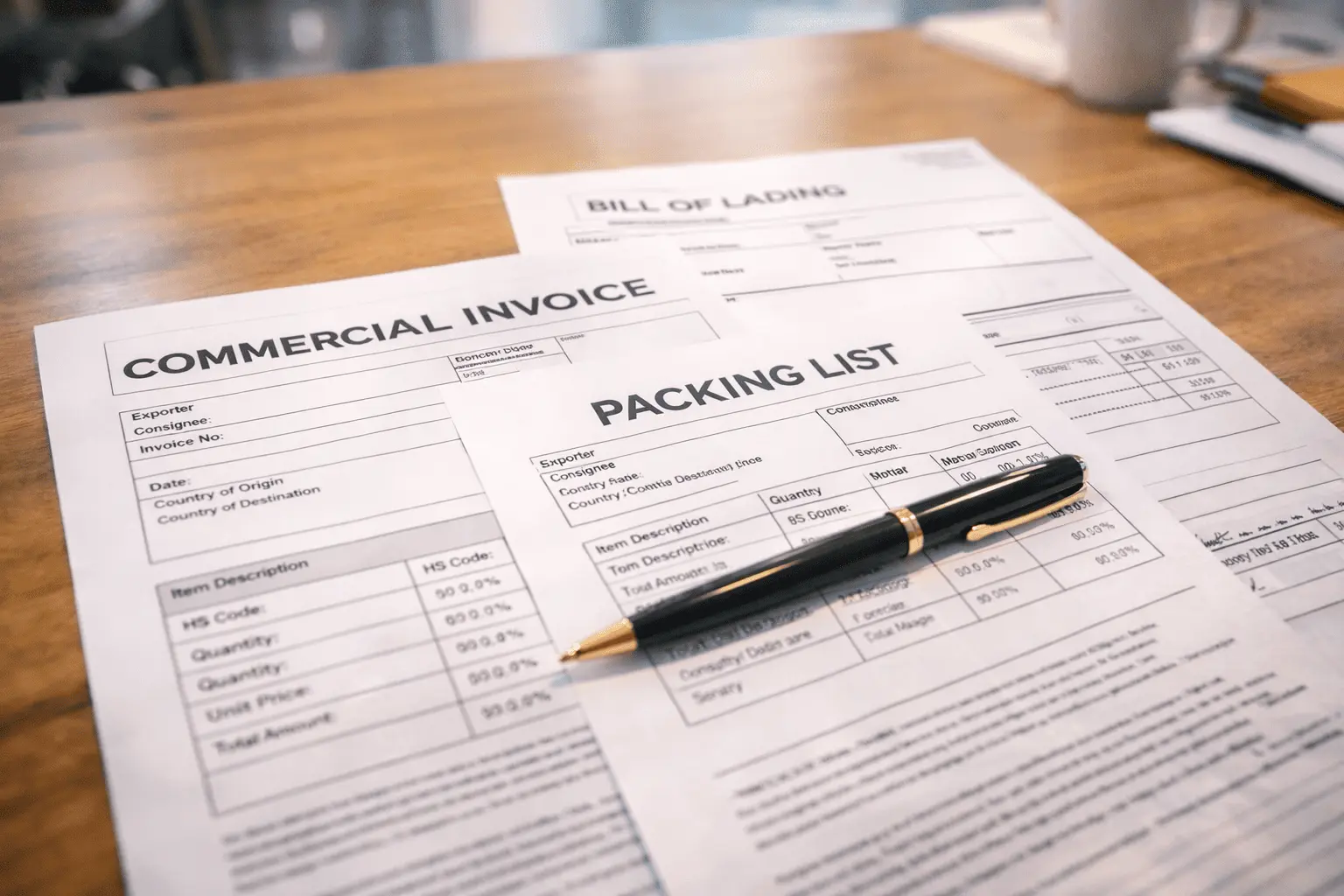
Missing or incorrect paperwork causes delays and demurrage charges that start accumulating the day your ship docks. Have all of these ready before goods arrive:
- Commercial Invoice (supplier-issued, must match packing list exactly)
- Packing List
- Bill of Lading (sea) or Airway Bill (air)
- Import Declaration Form (IDF) filed via KRA iCMS before arrival
- KEBS Pre-export Verification of Conformity (PVoC) certificate for regulated goods
- Certificate of Origin (for EAC tariff preference claims)
- Sector-specific certificates where applicable (KEPHIS, PPB, etc.)
Calculating your total landed cost
Kenya’s import taxation is layered. The formula is:
Example: 200 units of electronics, FOB value USD 2,000 (KSH 260,000), shipped as 1.5 CBM via sea freight at KSH 65,000 per CBM. Here is what the same shipment costs going alone versus shipping with Pamoja.
| Cost Item | KSH |
|---|---|
| FOB Value | 260,000 |
| Sea Freight (LCL) | 97,500 |
| Insurance (0.5%) | 1,300 |
| Import Duty (10%) | 35,880 |
| VAT (16%) | 63,149 |
| IDF (2.5%) | 8,970 |
| RDL (2%) | 7,176 |
| Clearing Agent Fee | 26,000 |
| Total | 499,975 |
| Cost Item | KSH |
|---|---|
| FOB Value | 260,000 |
| Shipping (all-in) | 97,500 |
| Freight, duties, VAT, IDF, RDL and customs clearance all included above | |
| Total | 357,500 |
Example based on 1.5 CBM shipment, FOB value KSH 260,000. With Pamoja, the KSH 65,000/CBM shipping rate covers everything: freight, import duties, VAT, IDF, RDL, and customs clearance. Independent importer figures use IDF at 2.5% per Finance Act 2023. Exchange rate: 1 USD = KSH 130.
Common Mistakes When You Import from China to Kenya
- Skipping compliance checks. KEBS can reject entire shipments lacking required certification, with no duty refund.
- Choosing a supplier on price alone. The cheapest quote often hides quality issues. A sample order is not optional.
- Using CIF terms without comparing freight costs. Suppliers often use expensive freight partners. FOB gives you control and typically saves 10 to 15% on freight.
- Undervaluing goods on the customs declaration. KRA uses reference value databases and will reassess. Penalties can exceed the original duty amount.
- Not budgeting for demurrage. If documents are not ready when the ship docks, storage charges begin immediately, typically USD 20 to 50 (KSH 2,600 to 6,500) per day.
- Ignoring the IDF requirement. The Import Declaration Form must be filed and paid before clearance. Late filing attracts a penalty of 2% of the CIF value.
Frequently Asked Questions: How to Import from China to Kenya
For more answers to common questions about importing from China to Kenya, visit our Kenya import FAQ page.
The total cost depends on your goods value, weight, and volume. As a baseline: sea freight runs KSH 65,000 per CBM (all-in with Pamoja), air freight is KSH 1,700 per kg. On top of that, factor in import duty (varies by product, typically 0 to 35%), VAT at 16%, IDF at 2.5%, and RDL at 2%. Use the Pamoja Shipping Calculator to get an instant estimate for your specific shipment.
Sea freight takes 25 to 35 days from a major Chinese port (Shanghai, Guangzhou, Shenzhen) to Mombasa, plus 5 to 10 days for customs clearance. Air freight to JKIA takes 5 to 10 days. Total lead time is typically 35 to 55 days for sea and 15 to 25 days for air.
Yes, for the right products. Kenya’s import duty structure and the KSH/USD exchange rate mean margins vary significantly by category. Electronics, solar products, and construction materials have historically offered strong margins. The key is accurate landed cost calculation before you commit to an order. Use the Pamoja Profit Calculator to run the numbers on your specific product before importing.
There is no legal minimum. Practically, sea freight becomes cost-effective at roughly USD 1,500 to 2,000 (approx. KSH 195,000 to 260,000) in goods value. With Pamoja, you can get started with a budget as low as KSH 30,000 using our consolidation and air freight options.
High-demand categories with good margins include solar panels and inverters, electronics and phone accessories, construction materials (tiles, fittings), kitchen and household goods, and clothing. The best product for you depends on your existing network and market. Message us on WhatsApp and we can advise based on current demand and pricing.
Telegraphic Transfer (T/T) is the most common method. For new suppliers, use Alibaba Trade Assurance. Funds are held in escrow and released only when you confirm receipt of acceptable goods. Avoid Western Union or MoneyGram for commercial transactions.
Know what you want to import? Let’s talk.
Send us a message or a photo of the product on WhatsApp. We will find it, source it, and handle everything from China to your door.
Chat with us on WhatsApp
Jonatan Sirak sirak.se
Founder of Pamoja Imports, a Kenya-China import agency with an operations team based in Chengdu, China. With several years of hands-on experience facilitating shipments across electronics, solar equipment, construction materials, and consumer goods, he helps Kenyan entrepreneurs source and import products profitably. He splits his time between Nairobi and Chengdu.